Why Are My Nails Yellow? Causes and How to Fix Them
 By VelvetNesty
You wipe away your favorite dark red polish, excited for a fresh manicure, only to pause in horror: why do my bare nails look yellowish and stained?
If you’ve ever found yourself frantically Googling whether your nails are permanently ruined, take a deep breath. Discolored nails are surprisingly common, and in most cases, they are quick and easy to treat right at home. Whether your discoloration is from an innocent manicure mishap or something that needs a little extra TLC, getting your natural shine back is totally doable.
1. What Causes Yellow Nails?
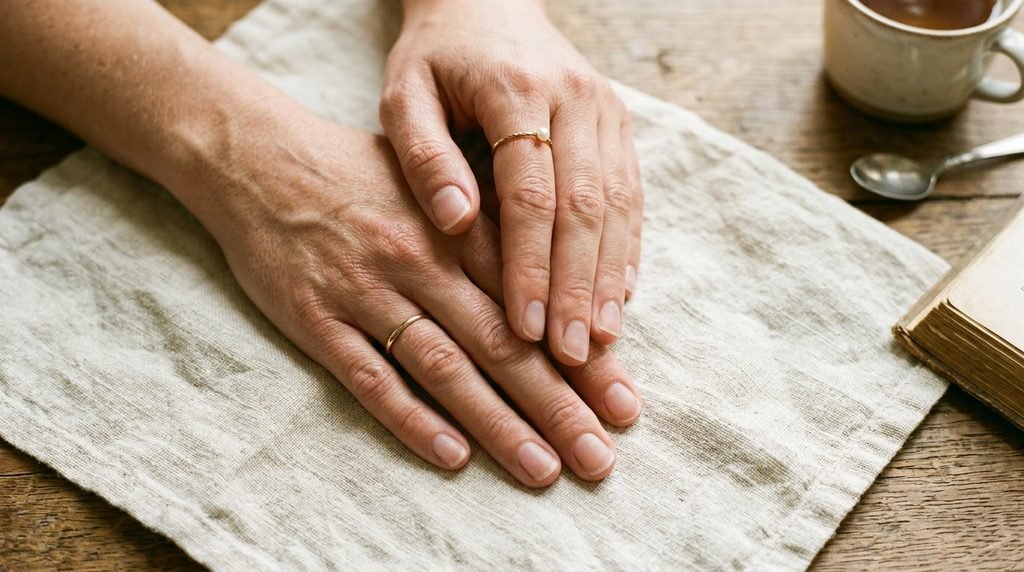
Before you can fix the problem, it helps to figure out what caused the stain in the first place. Here are the most frequent culprits behind that stubborn yellow tint:
- Dark Nail Polishes: Deep shades like burgundy, navy, black, and emerald green contain heavy pigments. When applied directly to bare nails, these dyes seep into the keratin layers and leave a yellowish residue behind.
- Skipping the Base Coat: Think of a base coat as a protective barrier. Skipping it allows chemical solvents and color pigments to interact directly with your nail plate.
- Fungal Infections (Onychomycosis): If the yellowing is accompanied by nail thickening, brittleness, or crumbling edges, a mild fungal infection might be at play.
- Frequent Gel or Acrylic Manicures: Back-to-back gel extensions without breaks can weaken and dehydrate nails, leaving them prone to discoloration and peeling.
- Smoking or Nicotine Exposure: Holding cigarettes regularly exposes fingernails to tar and nicotine, creating distinct yellow-brown stains on the fingertips.
- Underlying Health Conditions: In rarer cases, persistent yellow nails can point to vitamin deficiencies, thyroid imbalances, psoriasis, or a rare condition known as Yellow Nail Syndrome.
2. Fast At-Home Remedies to Brighten Yellow Nails
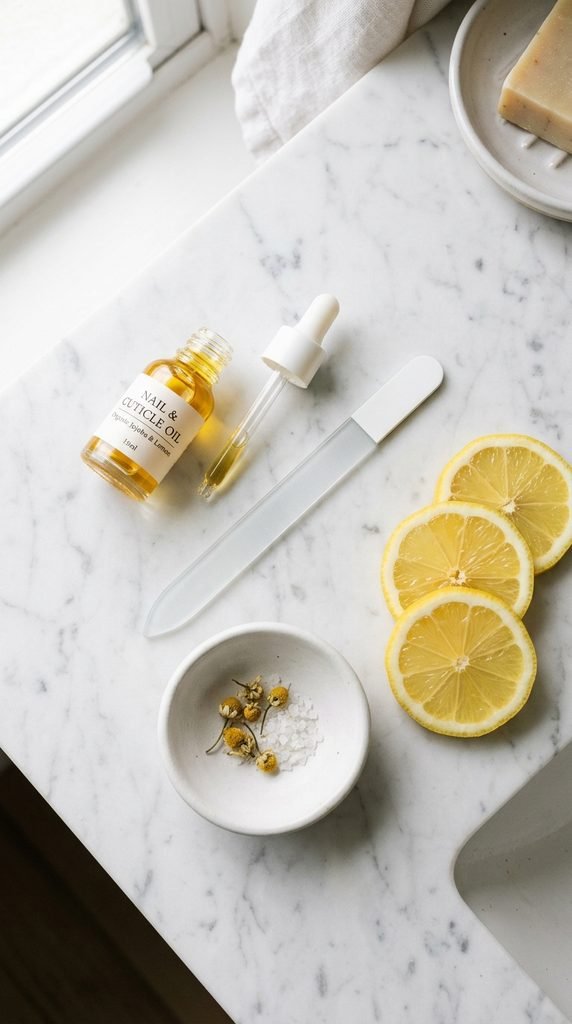
Ready to restore that healthy, rosy glow? You probably already have the best brightening ingredients sitting in your kitchen pantry or bathroom cabinet.
The Baking Soda & Lemon Brightening Scrub
Lemon juice acts as a natural mild bleaching agent, while baking soda gently buffs away surface stains without scratching your nail plate.
- How to do it: Mix 1 tablespoon of baking soda with 1 teaspoon of fresh lemon juice to form a smooth paste.
- Application: Massage the paste over your bare nails using an old soft-bristled toothbrush. Leave it on for 5 to 7 minutes, then rinse thoroughly with warm water.
- Frequency: Repeat once or twice a week.
The Hydrogen Peroxide Soak
Hydrogen peroxide is the gold standard for lifting stubborn dye pigments out of porous keratin.
- How to do it: In a shallow dish, combine 3 tablespoons of 3% hydrogen peroxide with 1/2 cup of warm water.
- Application: Soak your fingertips for 3 to 5 minutes. Gently scrub the nail surface with a nail brush, rinse, and immediately follow with a rich moisturizer.
Tea Tree Oil for Fungal Discoloration
If you suspect a fungal issue rather than polish stains, tea tree oil offers potent natural antiseptic and antifungal properties.
- How to do it: Mix 2 drops of 100% pure tea tree oil with a few drops of jojoba or olive oil.
- Application: Rub the mixture directly into the affected nail bed twice daily until clear, healthy new growth appears.
3. How to Prevent Yellow Nails for Good
Treating the discoloration is great, but keeping it from coming back is even better. Build these simple habits into your weekly self-care routine:
- Always Prime with a Clear Base Coat: Never skip your base layer! Apply two thin coats of a nourishing or ridge-filling base coat before any pigmented polish.
- Give Your Nails “Polish Holidays”: Let your nails go completely bare for 3 to 5 days every few weeks. This allows keratin to rehydrate and prevents pigment build-up.
- Hydrate with Cuticle Oil Daily: Massage cold-pressed jojoba oil or vitamin E oil into your cuticles and nail beds every night before bed to strengthen the nail barrier.
- Wear Protective Gloves: Protect your hands from harsh dish soaps, bleach, and cleaning chemicals by wearing lined rubber gloves during household chores.
4. When Should You See a Doctor?
Most nail yellowing is superficial and disappears once you buff, soak, or let the nail grow out. However, schedule a visit with a dermatologist or doctor if you notice:
- Significant thickening, curling, or crumbling of the nail plate
- Pain, redness, or swelling around the cuticle
- The yellow color persists across all nails despite weeks of at-home care
- Nails begin lifting away from the nail bed (onycholysis)
The Takeaway
Yellow nails can feel frustrating, but they rarely mean permanent damage. With a quick brightening soak, a hydrating oil, and a faithful base coat, your nails will be back to looking clean, strong, and radiant in no time!
Did you find these tips helpful? Save this article to your Beauty & Nail Care board on Pinterest so you always have these easy DIY remedies on hand!