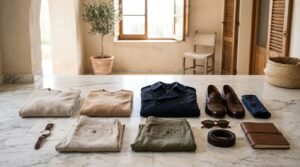
How to Create an Old Money Capsule Wardrobe on a Budget Without Looking Cheap
 By VelvetNesty
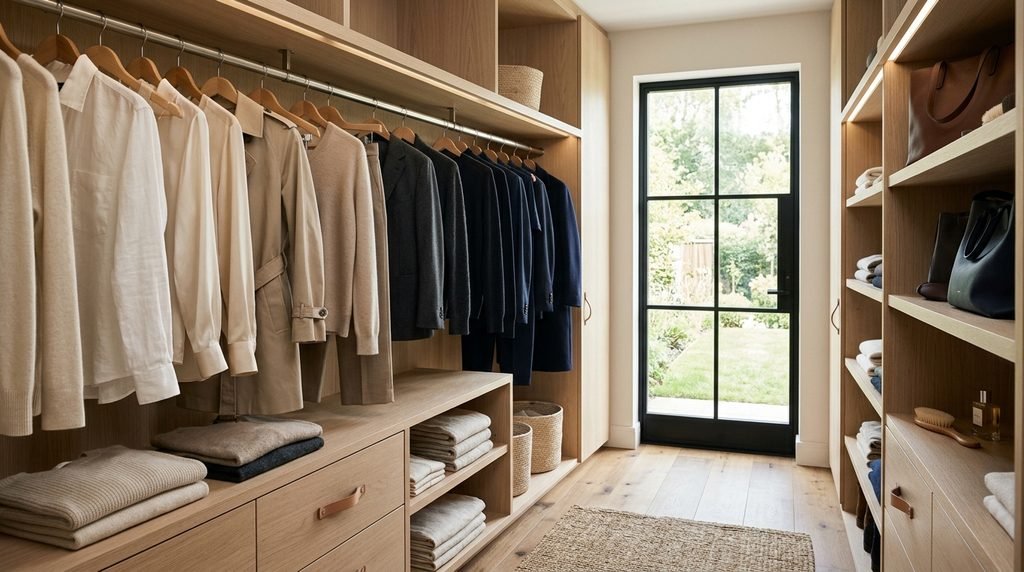
The “Old Money” aesthetic is defined by quality, restraint, and an absence of loud branding. It is an aesthetic centered on the idea that true style does not scream for attention. Many people assume this look requires a trust fund or a monthly visit to luxury boutiques, but the reality is that the wealthy elite often rely on a small, edited collection of high-quality basics that last for decades. You can achieve this same quiet sophistication without spending thousands of dollars by shifting your focus from fast-fashion trends to intentional garment curation.
Building this wardrobe is about learning to identify fabric quality and mastering fit. When you stop chasing micro-trends and start investing in timeless silhouettes, your clothing collection becomes a foundation rather than a pile of disposable items. This guide provides the blueprint for building a high-end appearance while keeping your bank account balanced, focusing on secondhand sourcing, material science, and the art of the tailor.
Step 1: The Fabric Hierarchy
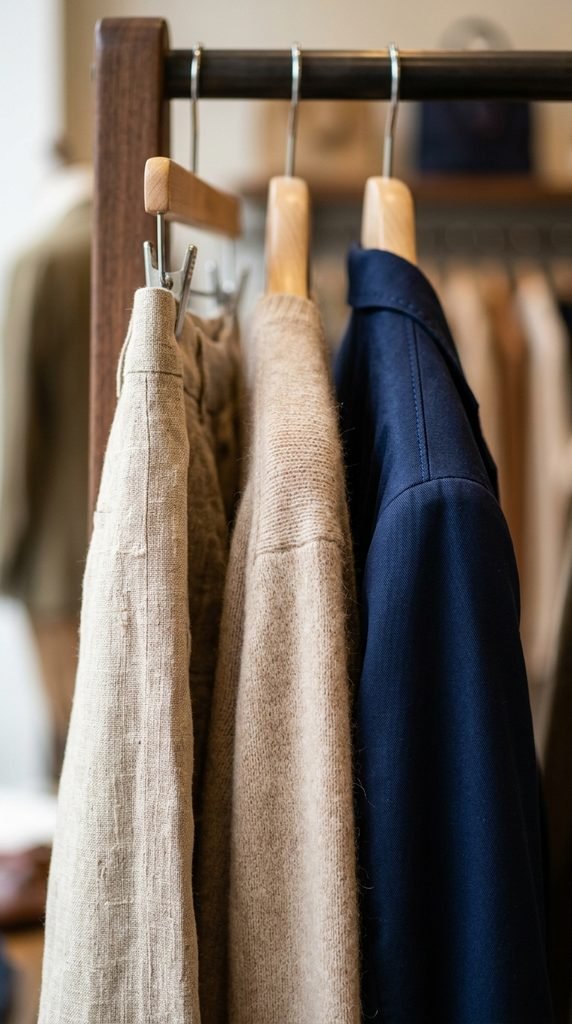
The secret to expensive-looking clothing is fiber content. Mass-market retailers often combine polyester and nylon, which causes clothing to pill, hold onto odors, and lose shape after three washes. To mimic the Old Money aesthetic, you must train your hands to feel for quality.
- Cotton: Look for “Pima” or “Egyptian” cotton. These have longer fibers, meaning they remain soft and smooth rather than rough and prone to pilling.
- Linen: This is the gold standard for summer. It should be heavy enough that it isn’t transparent.
- Wool/Cashmere: Always check tags. If it says 100% wool or 100% cashmere, it is worth buying. Avoid “acrylic-wool combines,” as they will look worn within weeks.
- Silk: Look for heavy-weight silk crepe. If you are on a budget, look for pre-loved silk button-downs in the men’s section of thrift stores.
Step 2: Prioritizing Fit and Tailoring
A five-hundred-dollar suit will appear inexpensive if the shoulders are too wide or the sleeves are too long. Conversely, a thrifted thirty-dollar blazer will appear custom-made if the proportions are adjusted to your body. Tailoring is the great equalizer of fashion.
- The Shoulder Rule: When buying jackets or blazers, prioritize the fit of the shoulders. A tailor can take in a waist or shorten a sleeve, but moving the shoulder seams is incredibly expensive and often ruins the structural integrity of the garment.
- The Hemline: Your trousers should hit at the top of your shoe. If they pool around your ankles, they look sloppy. A simple hem costs very little at a local dry cleaner and changes the entire silhouette.
- Button Replacement: Plastic buttons are a dead giveaway for budget clothing. Spend ten dollars on a set of genuine horn or mother-of-pearl buttons. Replacing the buttons on a basic department store blazer will immediately make it appear twice as expensive.
Step 3: Mastering the Secondhand Market
The most authentic way to build an Old Money wardrobe on a budget is to buy from people who owned high-end clothes but grew tired of them. Wealthy individuals frequently donate or sell items that are in perfect condition.
- Resale Apps: Use platforms like The RealReal, Poshmark, or Vinted. Filter your search by material (e.g., “100% Cashmere,” “100% Wool,” “Linen”).
- The Men’s Section: Women’s clothing often uses thinner fabric to cut costs. Men’s button-down shirts, sweaters, and blazers are constructed with better materials. A boxy, oversized men’s white Oxford shirt is a staple of this aesthetic.
- Local Consignment: Visit shops in affluent neighborhoods. Their inventory is curated based on the style preferences of the local population, meaning you are more likely to find structured coats and high-quality trousers than in a general-purpose thrift store.

Step 4: Building the Foundation Pieces
Do not buy everything at once. Build your collection around these specific items:
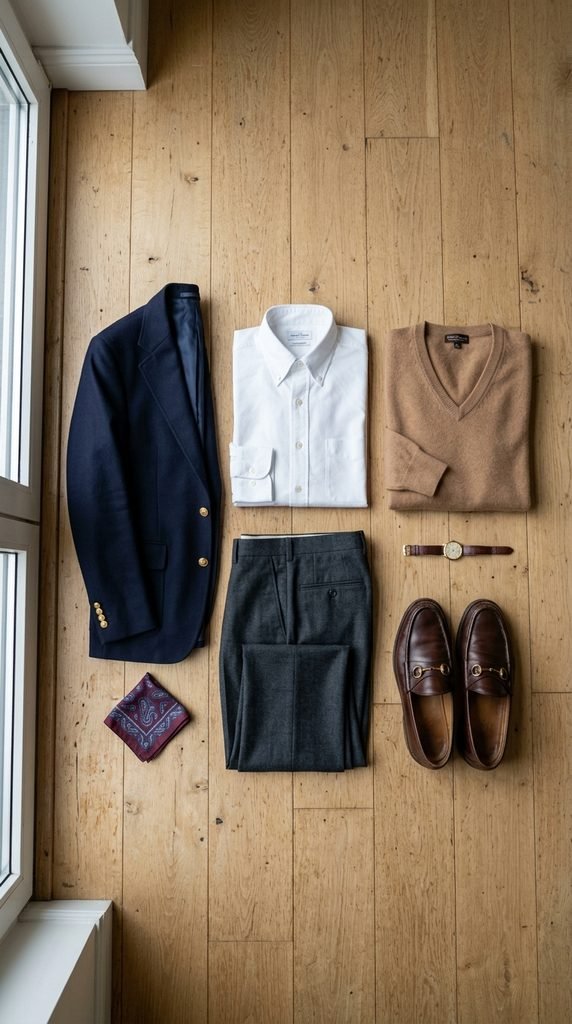
- The Navy Blazer: A staple that pairs with everything from white trousers to denim.
- The White Oxford Shirt: Crisp, ironed, and buttoned to the collar.
- Cream or Beige Trousers: Look for a straight-leg or slightly tapered fit in a thick cotton twill.
- The Loafer: A leather loafer—either black or tan—is the standard footwear. You do not need designer branding. A simple, well-maintained leather shoe from a mid-range brand will last for years if you use a cedar shoe tree.
- The Cashmere Crewneck: Used cashmere is often cheaper than new acrylic. Keep it in a neutral tone like oatmeal, charcoal, or navy.
Common Mistakes to Avoid
Many people trying to achieve this aesthetic accidentally lean into “brand-heavy” pieces that look like knock-offs. Avoid anything with a giant logo, neon colors, or distressed fabric. Frayed hems, acid-wash denim, and plastic-based leather sneakers work against the goal of quiet elegance.
Another common error is failing to maintain the clothing. Old Money style is rooted in care. Use a fabric shaver to remove pills from sweaters, polish your leather shoes, and store your clothes on wide wooden hangers rather than wire ones to maintain their shape.
Conclusion
Creating a sophisticated, enduring wardrobe is about discipline rather than spending power. By focusing on natural fibers, perfecting the fit through tailoring, and sourcing from the secondary market, you bypass the cycle of disposable fashion. Your wardrobe should represent a collection of items that you keep for years, not weeks. Start small—replace your synthetic shirts with cotton, find a tailor you trust, and curate a collection that reflects your personal style.
If you found this guide helpful for building your own edited collection, pin the images to your “Timeless Style” board on Pinterest to reference these steps while you shop!