How to Build a Minimalist Old Money Wardrobe With Fewer, Better Pieces
 By VelvetNesty
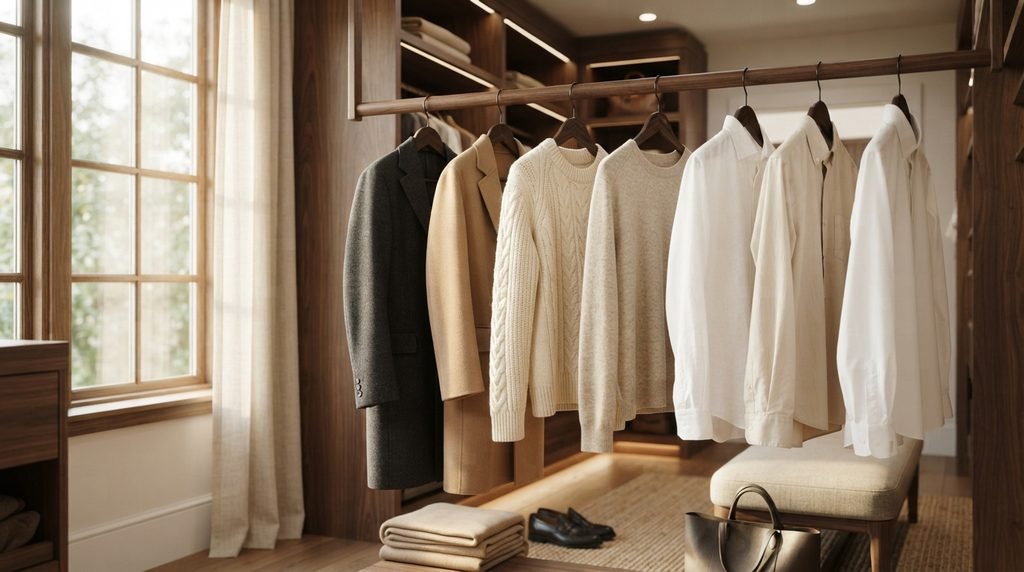
A closet packed with dozens of fast-fashion purchases often yields the same daily frustration: a complete lack of cohesive, polished outfits. Fast trends, loud logos, and synthetic textiles wear out rapidly, leaving wardrobes feeling cluttered and disposable. The traditional minimalist old money aesthetic stands in stark contrast to this cycle of overconsumption. It prioritizes understated luxury, quiet elegance, and heritage craftsmanship built to last decades rather than single seasons.
Building a minimalist old money wardrobe requires shifting your focus from quantity to composition. By curating a refined capsule collection of unbranded, high-grade garments made from natural fibers, you eliminate decision fatigue while cultivating a timeless personal image. This guide breaks down the precise steps, textile guidelines, garment choices, and styling rules required to construct a functional wardrobe with fewer, better pieces.
Step 1: Audit Your Current Closet and Establish a Cohesive Palette
The initial phase of curating a heritage wardrobe involves removing garments that conflict with classic styling principles. Remove pieces with oversized brand logos, synthetic finishes like polyester and acrylic, distressed denim, and hyper-trendy cuts. Keep items that feature clean lines, balanced proportions, and breathable textures.
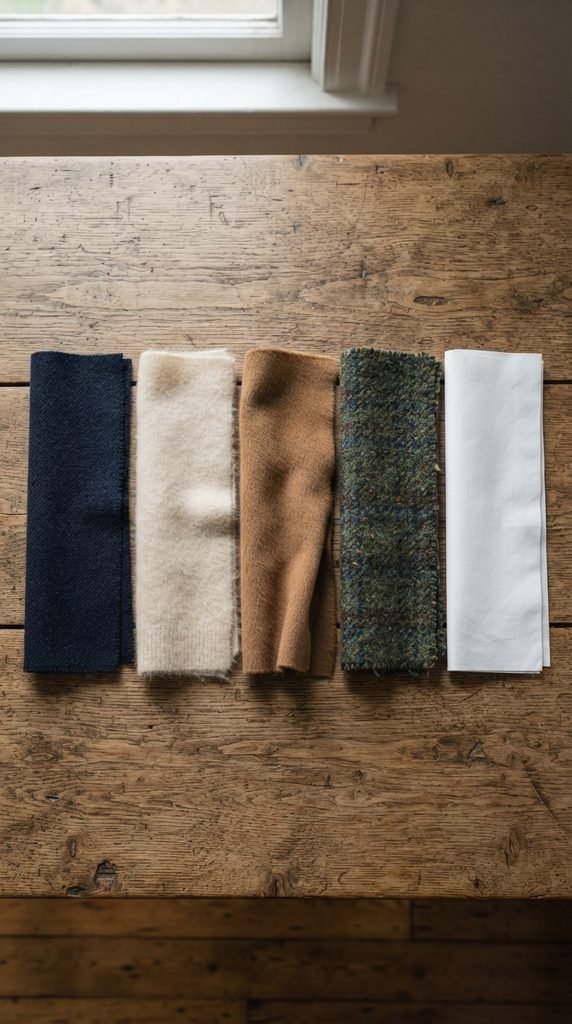
A heritage capsule relies on an interconnected neutral color palette. Restricting your selections to colors that pair effortlessly with one another allows every top to match every bottom seamlessly:
- Primary Foundation Tones: Cream, ecru, warm ivory, soft oatmeal, and stark white.
- Deep Anchoring Neutrals: Midnight navy, dark charcoal, rich espresso brown, and matte black.
- Subtle Accent Hues: Forest green, camel, soft slate blue, and warm taupe.
Avoiding bright neons and erratic prints simplifies your morning routine and keeps the focus directly on fabric texture, silhouette, and construction quality.
Step 2: Identify Authentic Fabric Quality and Garment Construction
The defining marker of old money dressing is not price; it is structural integrity. Fast fashion relies on petroleum-derived synthetics that trap heat, pill easily, and lose shape after three washes. Heritage tailoring relies strictly on natural materials that drape gracefully against the body.
Fiber Selection Guide
- Wool & Cashmere: Look for 100% worsted wool, merino, or two-ply cashmere. Avoid nylon combines above 10%, which manufacturers often add to reduce costs.
- Cotton: Select extra-long staple varieties such as Egyptian, Pima, or Sea Island cotton. These fibers resist fraying and feel softer with age.
- Linen: Choose medium-to-heavyweight Irish or French flax linen. Heavier linen drapes cleanly without collapsing into messy wrinkles.
- Silk: Look for Mulberry silk with a high momme count (19mm or higher) for blouses and scarves, offering a matte sheen rather than a synthetic gloss.
Construction Details to Inspect
- Seams: Check for French seams or bound interior seams rather than loose overlocked serger stitches.
- Buttons: Natural horn, mother-of-pearl, or corozo buttons signify superior garment quality over cheap plastic fasteners.
- Pattern Matching: On stripes or plaids, verify that lines align symmetrically across pockets, armholes, and side seams.
- Hems: Look for generous blind hems that allow a tailor to adjust lengths if required.
Step 3: Curate the 15 Core Capsule Pieces
A minimalist old money wardrobe does not demand endless variety. Instead, it relies on a tight framework of interchangeable garments that adapt to casual mornings, business meetings, and formal dinners.
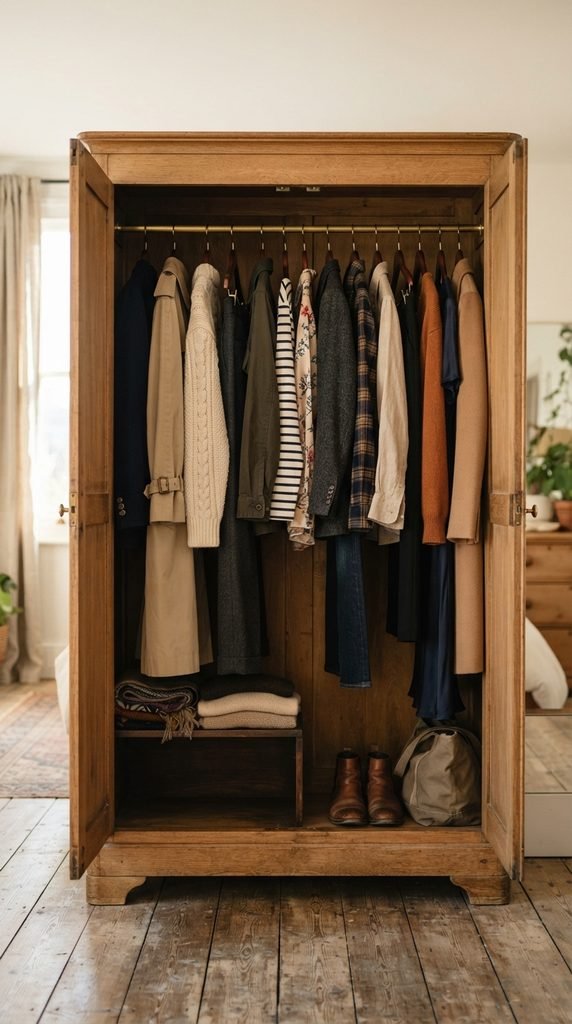
Outerwear (3 Items)
- The Double-Breasted Trench Coat: Water-repellent cotton gabardine in honey or classic beige, falling below the knee with a self-tie belt.
- The Navy Wool Blazer: Structured shoulders, horn buttons, half-canvassed or full-canvassed construction, and a tailored waist.
- The Overcoat: A tailored camel or charcoal wool-cashmere coat with clean lapels and minimal hardware.
Tops and Knitwear (5 Items)
- The Crisp White Oxford Shirt: 100% heavy cotton with a structured collar that stands independently without curling.
- The Silk or Cotton Poplin Blouse: An ecru button-down with clean cuffs and covered plackets.
- The Cable-Knit Crewneck: Ivory or oatmeal wool-cashmere knit with traditional cabling.
- The Fine-Gauge Turtleneck: Black or dark charcoal extra-fine merino wool for low-profile layering.
- The Breasted Breton Stripe Top: Heavy cotton jersey with boat neck styling in cream and navy.
Bottoms (4 Items)
- Pleated Wide-Leg Wool Trousers: High-rise waist in taupe, camel, or charcoal with a gentle single break over shoes.
- Tailored Chinos or Linen Trousers: Straight-leg cut in stone, ecru, or navy for warm-weather styling.
- Dark Indigo Denim: Rigid, unwashed cotton jeans with a mid-to-high rise, straight leg, and no distressed detailing.
- The Pleated A-Line Midi Skirt: Wool flannel or heavy silk in olive, houndstooth, or navy.
Footwear & Leather Goods (3 Items)
- Leather Horsebit Loafers: Box calf leather in dark chocolate or black with understated brass hardware.
- Clean Leather Riding or Chelsea Boots: Smooth calfskin with durable Goodyear-welted soles.
- Structured Leather Day Bag: Unbranded, smooth leather tote or top-handle bag in tan or black with minimal gold-tone metal.
Step 4: Custom Tailoring and Silhouette Refinement
An off-the-rack garment rarely looks like old-money tailoring right out of the box. Old-money styling relies on precision fit: garments skim the frame naturally without clinging or drooping excessively.
+-------------------------------------------------------------+
|                KEY TAILORING ADJUSTMENTS                    |
+--------------------------+----------------------------------+
| Jacket Shoulders         | Must align with the edge of the  |
|                          | shoulder bone; avoid excess pad. |
+--------------------------+----------------------------------+
| Sleeve Length            | Show 1/4 to 1/2 inch of shirt    |
|                          | cuff past the jacket sleeve hem. |
+--------------------------+----------------------------------+
| Trouser Inseam           | Hem to a slight or zero break    |
|                          | right at the top of the shoe.    |
+--------------------------+----------------------------------+
| Trouser Waist / Seat     | Take in excess fabric to eliminate|
|                          | gapping while standing or sitting|
+--------------------------+----------------------------------+
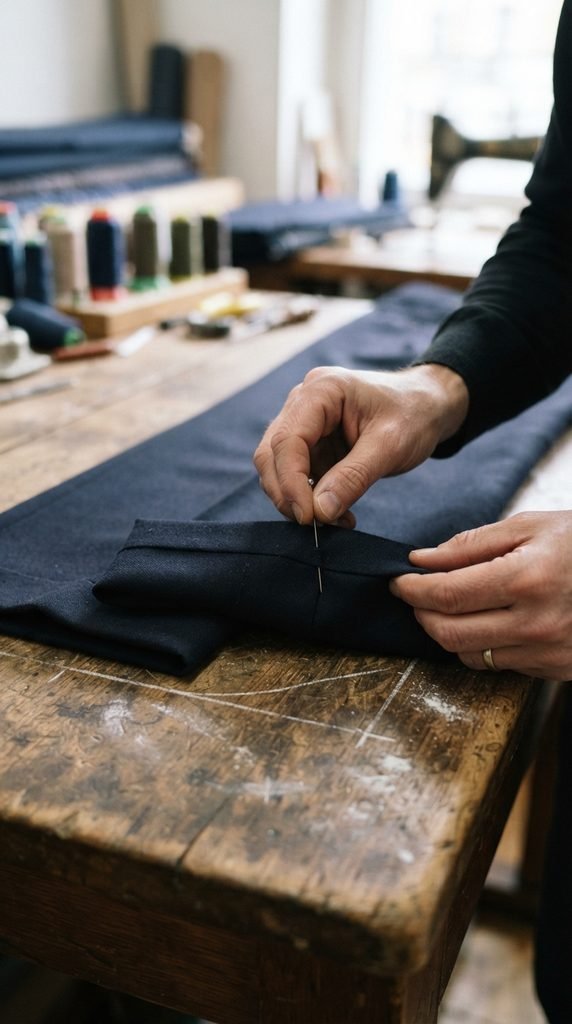
Allocate 15% to 20% of your total clothing budget specifically for alterations. Simple modifications—shortening a sleeve, taking in a trouser waist, or tapering an ankle line—transform modest thrift finds or mid-range staples into bespoke-level pieces.
Step 5: Garment Maintenance and Longevity Practices
The philosophy of fewer, better pieces requires intentional garment preservation. Classic luxury relies on clothing looking pristine year after year.
- Ditch Wire Hangers: Store coats and knitwear on broad, contoured cedar hangers to maintain shoulder structure and deter moths naturally.
- Minimize Machine Washing: Spot-clean wool and cashmere items. Use a horsehair brush after wearing coats to remove dust and surface debris from wool fibers.
- Invest in a Cashmere Comb: Remove minor friction pilling on sweaters each season to keep knitwear looking pristine.
- Steam Instead of Iron: High heat from flat irons can crush natural fibers and leave a synthetic-looking shine on wool fabrics. Use a garment steamer to relax fibers safely.
Common Mistakes to Avoid When Curating an Old Money Aesthetic
- Purchasing Loud Logo Apparel: True heritage style avoids ostentatious branding. Logos signal immediate trend chasing, whereas quiet luxury relies on anonymous excellence.
- Rushing the Capsule Assembly: Do not purchase fifteen low-quality items in a single weekend. Acquire pieces slowly through estate sales, vintage boutiques, and established heritage brands.
- Prioritizing Dry-Clean Only Synthetics: Polyester disguised as crepe or silk feels hot, retains odor, and ages poorly. Check the fiber tag before every purchase.
- Over-Accessorizing Outfits: Keep jewelry minimal. A vintage leather-strap timepiece, simple pearl or gold stud earrings, and a signet ring create far more refinement than stacked costume jewelry.
Conclusion
Building a minimalist old money wardrobe is a deliberate exercise in restraint. By stepping away from fast cycles and committing to natural textiles, precise tailoring, and a focused color scheme, you create a timeless aesthetic that serves you for decades. A smaller collection of well-made garments provides far more daily ease and poise than an overflowing closet of passing fads.
Save this guide to your Pinterest minimalist wardrobe or quiet luxury boards to reference the fabric checklists, tailoring guides, and garment formulas whenever you edit your closet or plan your next investment purchase.