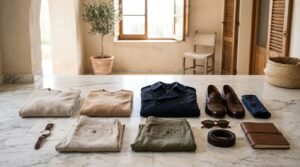
How to Create an Old Money Wardrobe for Every Season With Timeless Essentials
 By VelvetNesty
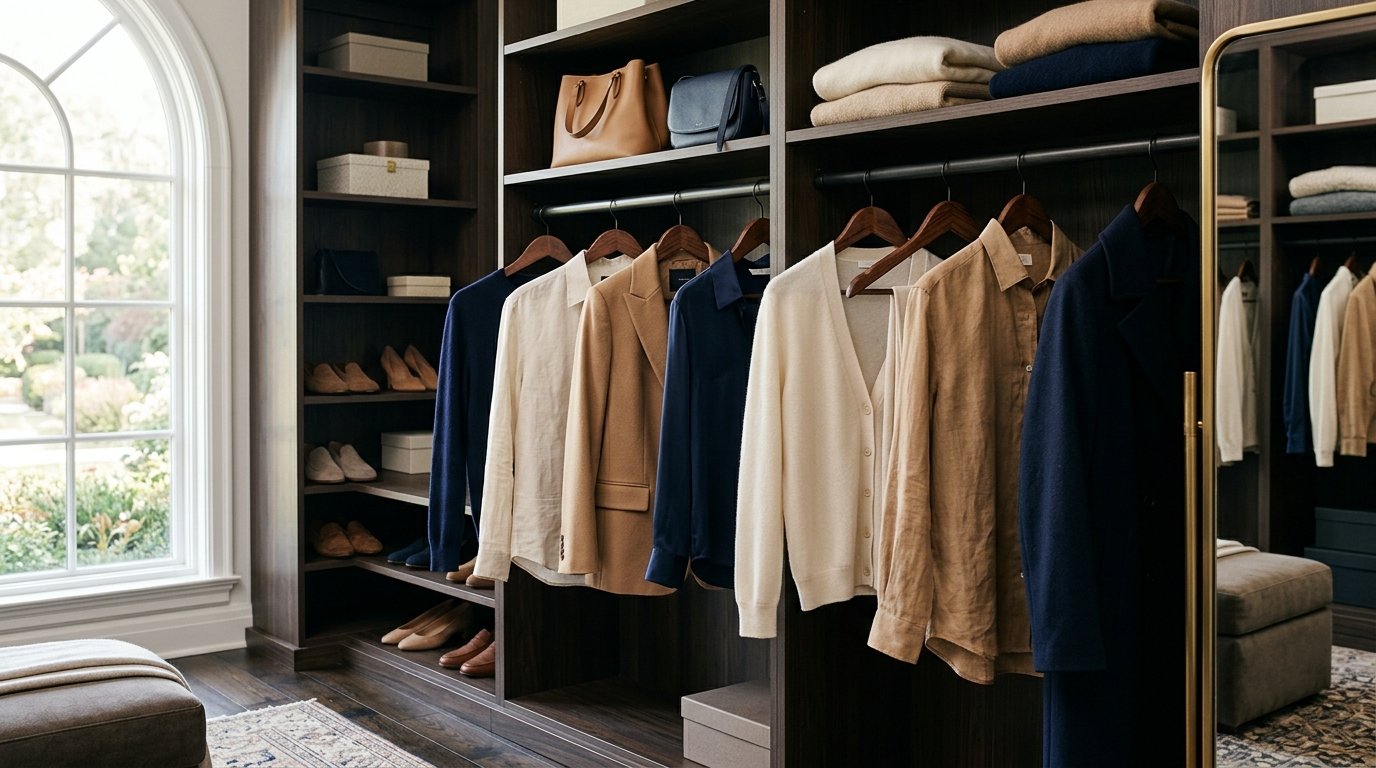
The allure of the “old money” aesthetic lies in its quiet confidence. It rejects the fast-fashion cycle of fleeting trends in favor of garments that age gracefully and signal status through quality rather than logos. Building this wardrobe is a commitment to longevity, where every piece functions as a building block for an entire year of outfits. By prioritizing natural fibers and tailored silhouettes, you replace the chaotic accumulation of clothes with a refined, permanent collection.
Understanding how to create an old money wardrobe for every season requires shifting your focus from quantity to textile integrity. This style relies on a curated palette of neutrals—cream, navy, charcoal, olive, and chocolate—that allow for effortless mixing and matching. When your wardrobe is built on a foundation of high-quality basics, the friction of getting dressed disappears, replaced by a sense of ease that defines this classic aesthetic.
Step 1: Prioritizing Natural Fibers and Textiles
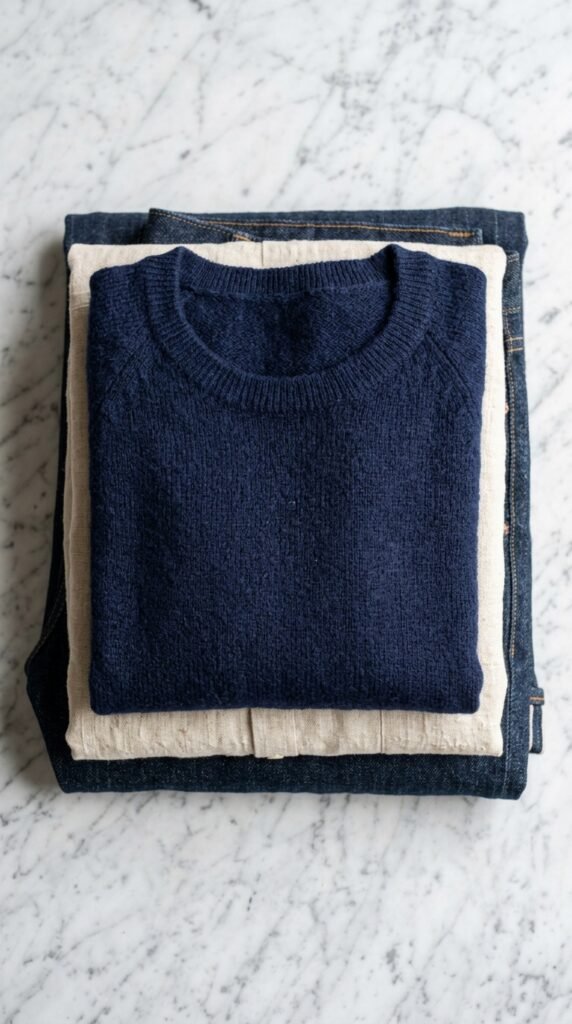
The foundation of an old money wardrobe rests on the tactile experience of the fabric. Synthetic materials lack the drape and breathability required to maintain a high-end appearance over time. When shopping, your primary check should be the garment’s composition tag.
- Spring/Summer: Focus exclusively on linen, silk, and lightweight cotton. These fabrics allow airflow and develop a characteristic texture that feels lived-in yet expensive. Avoid polyester combines, as they trap heat and shine under direct sunlight.
- Autumn/Winter: Prioritize cashmere, merino wool, and camel hair. These materials provide warmth without the bulkiness of cheap synthetic fleece.
Actionable Tip: If the budget is tight, hunt for these natural fibers in thrift stores or resale platforms. A vintage 100% cashmere sweater found second-hand will always outperform a brand-new acrylic knit from a mass-market retailer in both appearance and durability.
Step 2: Mastering the Tailored Silhouette
The difference between a mass-market outfit and an old money aesthetic is almost always the fit. Even expensive garments appear inexpensive if the hemlines are too long or the shoulders do not sit correctly.
- The Golden Rule: Budget for a tailor. Buying a well-made, pre-owned blazer and spending fifty dollars to have the sleeves shortened and the waist suppressed will result in a garment that looks custom-made.
- Shoulder Placement: The seam of your shirt or blazer should end exactly where your shoulder bone ends.
- Hemming: Trousers should break slightly above the shoe or just graze the top of it. Avoid excessive “pooling” of fabric at the ankles, which creates a messy, unkempt silhouette.
Step 3: Curating a Seasonal Core Collection
To build a wardrobe that functions across all four seasons, you need items that layer well. This approach allows you to wear a summer piece in the winter by adding the right base layers.
The Seasonal Checklist:
* The Foundation (Year-Round): A crisp white button-down, a navy blazer, and tailored trousers in gray or black.
* The Summer Additions: Linen trousers in oat or white, silk midi skirts, and leather loafers.
* The Winter Additions: A wool overcoat, turtlenecks in neutral tones, and leather Chelsea boots.

Step 4: Key Techniques for Timeless Styling
The most effective way to signal sophistication is through monochromatic or tonal dressing. By keeping your outfit within one color family—such as shades of beige, tan, and cream—you create a cohesive look that appears intentional.
- Monochromatic Layering: Wear a cream turtleneck under a beige cashmere coat with camel trousers. The slight variation in shade creates depth without breaking the visual flow.
- The Power of Accessories: Invest in one high-quality leather belt, one pair of classic gold hoops, and a structured leather bag. These should be kept in pristine condition. Polish your leather shoes frequently and store them with wooden shoe trees to maintain their shape.
Common Mistakes to Avoid
- Logo Overload: The old money aesthetic avoids overt branding. If a logo is visible, it screams “new money” or high-street trend chasing. Remove obvious branding or choose items where the logo is discreet or nonexistent.
- Over-accessorizing: Choose one focal point. If you are wearing a statement gold watch, keep your rings and necklaces minimal.
- Ignoring Laundry Care: Frequent washing breaks down fibers. Learn to spot-clean, steam, and brush your garments. Use a cashmere comb to remove pilling from wool sweaters. Treating your clothes with care is a core tenet of this aesthetic.

Troubleshooting Your Collection
If you find yourself staring at your closet feeling like you have nothing to wear, you likely have too many “statement” pieces and not enough “bridge” pieces. Bridge pieces are the boring, reliable items that tie everything together.
- Problem: Your outfits feel disjointed.
- Fix: Remove every item from your closet that is not a neutral color. If you are left with nothing, use this as a guide for your next few purchases.
- Problem: You feel bored by the lack of color.
- Fix: Introduce color through texture rather than hue. Use a velvet blazer or a heavy-gauge wool scarf to add visual interest without needing bright patterns or neon shades.
Conclusion
Creating an old money wardrobe for every season is about slowing down the process of acquisition. By investing in natural fibers, prioritizing the perfect fit, and adhering to a strict neutral color palette, you build a collection that serves you for years rather than months. Focus on maintaining the pieces you own, and you will find that the “effortless” style you seek is simply the result of owning fewer, better things.
Save this guide to your Pinterest board to keep your style journey on track—click the “Save” button to guarantee you always have your wardrobe blueprint ready for your next shopping excursion.