How to Style a Neutral Capsule Wardrobe for Timeless and Versatile Looks
 By VelvetNesty
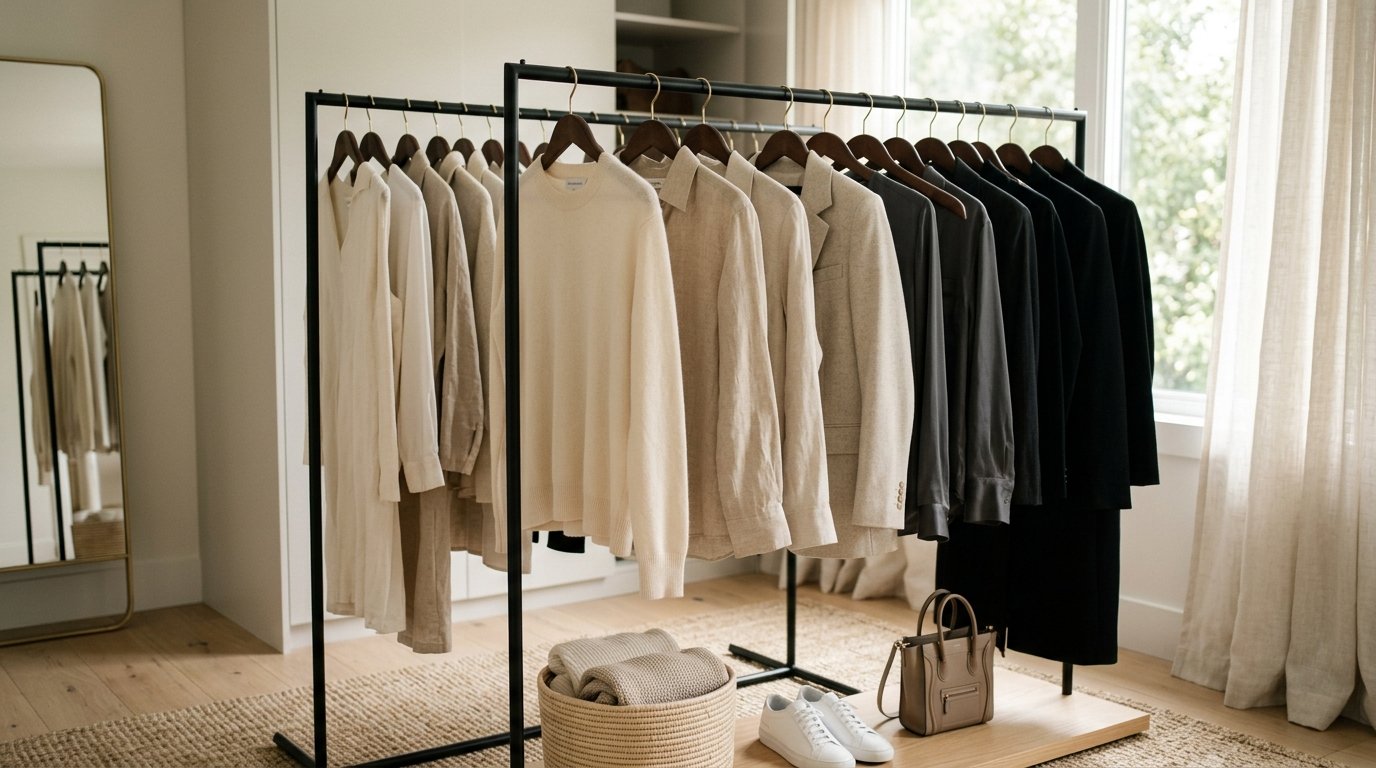
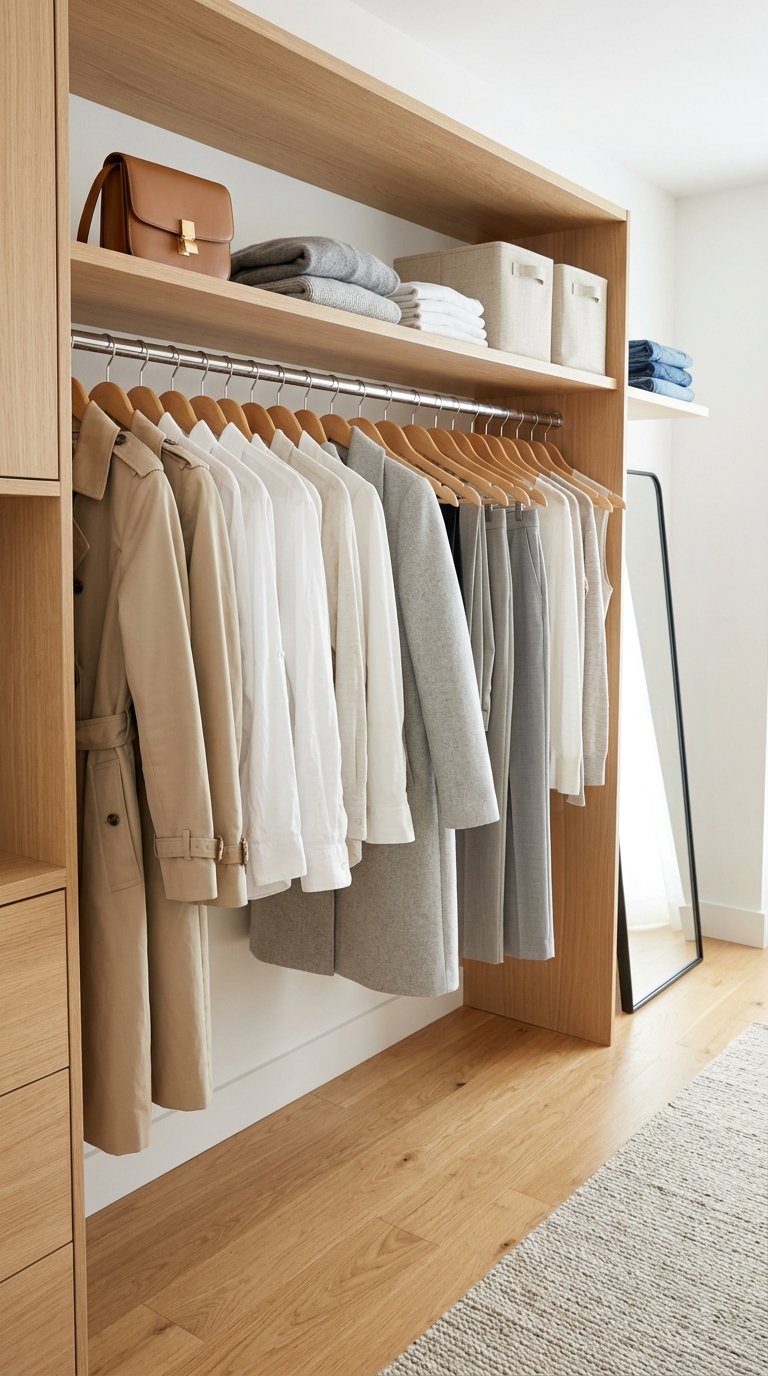
Dressing with intention begins with a foundation of pieces that work in harmony. Many people struggle with crowded closets filled with items that fail to coordinate, leading to the feeling of having nothing to wear despite an overflowing wardrobe. Mastering how to style a neutral capsule wardrobe shifts the focus from mindless consumption to intentional design, allowing you to create hundreds of outfit combinations from a fraction of the garments.
By narrowing your palette to shades like ivory, stone, navy, camel, and black, you remove the friction from your morning routine. This approach relies on the principle that if every item matches the others in color, the styling process becomes a matter of balancing silhouettes and textures rather than matching prints or clashing hues. This guide walks you through building and styling a collection that serves your lifestyle for years to come.
Step 1: Curating the Foundation Pieces
A neutral capsule wardrobe functions best when built on high-quality basics that prioritize longevity. Avoid fast-fashion materials that degrade after three washes. Instead, prioritize natural fibers such as merino wool, organic cotton, linen, and silk. These materials age gracefully and provide the necessary depth to make neutral tones look expensive.
Your core collection should include:
* Bottoms: One pair of tailored wool trousers (charcoal or navy), dark-wash raw denim, and a midi-length skirt in a neutral tone.
* Tops: A crisp white button-down, a black silk camisole, and two high-quality crew-neck tees (white and heather grey).
* Layers: A structured camel blazer, a black cashmere sweater, and a trench coat or wool wrap coat.
* Footwear: White leather sneakers, black loafers, and neutral-toned ankle boots.
Focus on fit above all else. A garment that fits your frame perfectly provides a sense of cohesion that poorly tailored clothing cannot replicate, regardless of the price point.
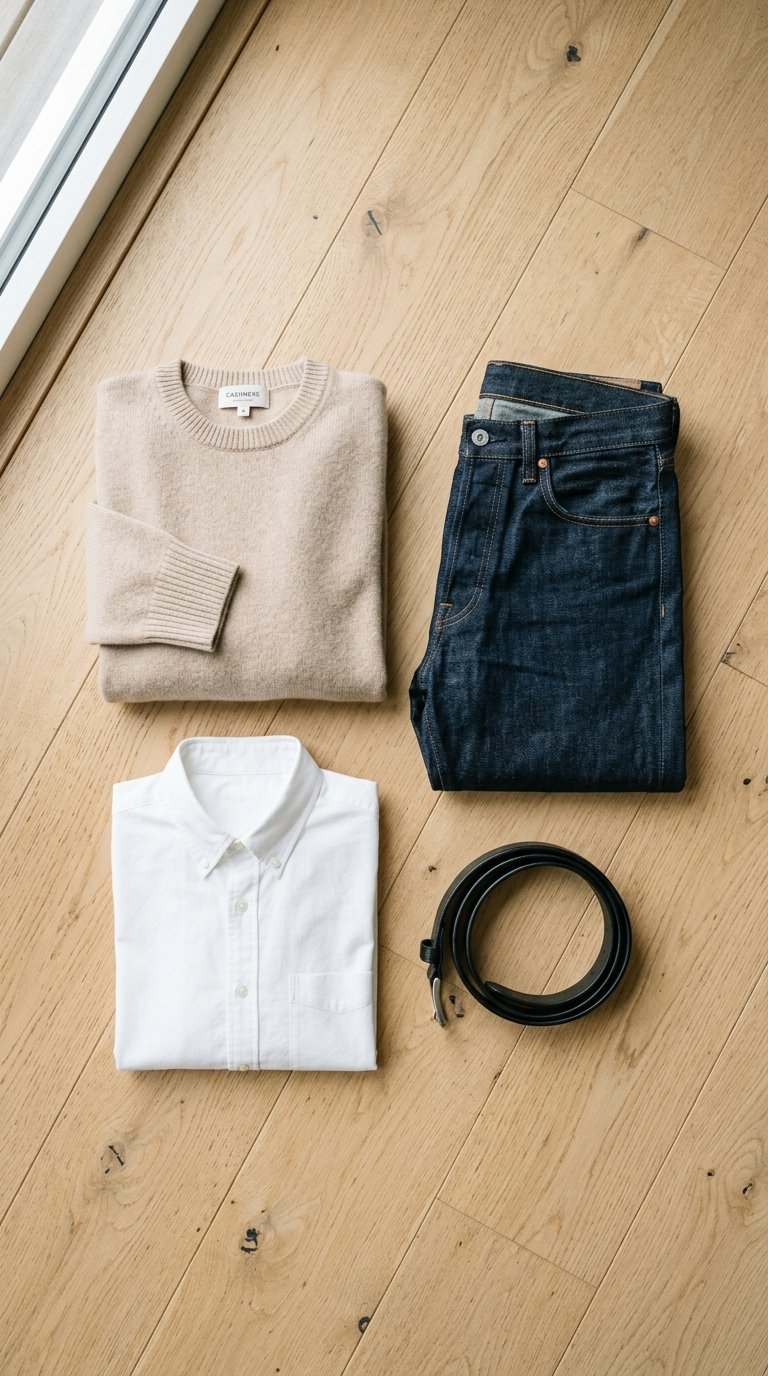
Step 2: The Art of Texture Mixing
Since you are removing color as a focal point, the visual interest in your outfits must come from texture. Wearing a single color from head to toe—known as monochromatic dressing—appears refined when you combine different weights and surfaces.
If you wear a silk blouse, pair it with trousers made of a matte, heavy-weight wool. The contrast between the sheen of the silk and the depth of the wool creates a dimension that keeps the outfit from appearing flat or boring.
Tactical styling rules for texture:
* Combine rough textures (chunky knits) with smooth ones (satin or leather).
* Use sheer layers beneath opaque sweaters to create subtle shadows and visual complexity.
* Introduce leather accessories—belts, bags, or shoes—to ground a soft, knit-heavy outfit.
Step 3: Proportions and Silhouette Balance
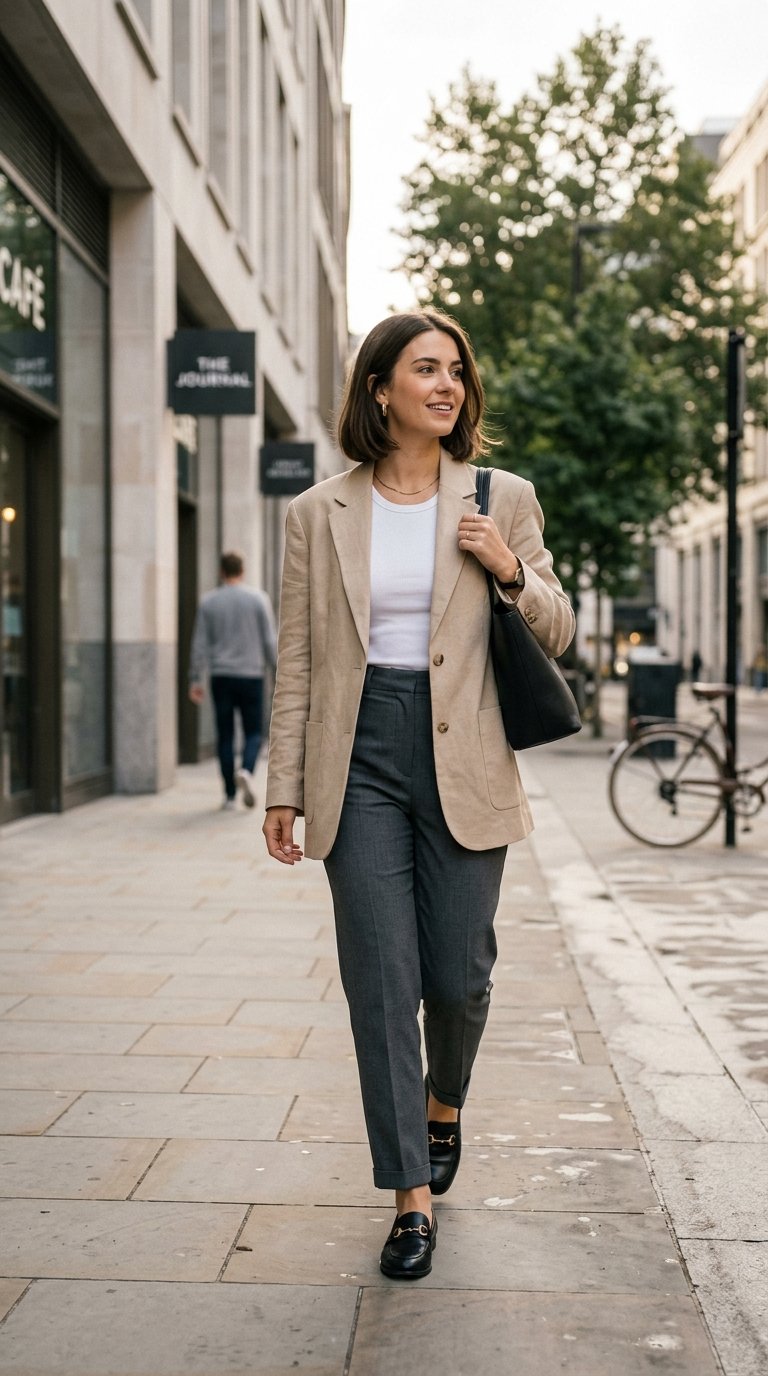
The silhouette of your outfit dictates its formality and impact. To keep a neutral wardrobe modern, apply the “rule of thirds.” Divide your body into thirds; your top should occupy one-third, and your bottom two-thirds (or vice versa). This visual trick creates a balanced frame that is naturally pleasing to the eye.
If you choose an oversized blazer, pair it with slim-fit trousers or a pencil skirt to avoid being swallowed by the fabric. Conversely, when wearing a baggy or wide-leg pant, opt for a fitted bodysuit or a tucked-in shirt to define your waistline. By playing with these volumes, you produce distinct looks that feel intentional and architectural.
Step 4: Key Techniques for Accessorizing
In a neutral capsule, accessories act as the punctuation mark at the end of a sentence. Because your clothing base is understated, you have the freedom to experiment with jewelry and hardware without the risk of an “over-the-top” appearance.
- Metallic Tones: Stick to one primary metal (gold or silver) for your hardware, or thoughtfully mix them to add a modern touch.
- The Power of the Belt: A simple leather belt can completely transform the shape of a dress or add structure to a loose sweater-and-trouser combination.
- Structured Bags: Opt for bags with clean lines and minimal logos. A cognac or black leather tote provides a polished finish to any neutral ensemble.
- Scarves and Wraps: A silk scarf tied to a bag or a wool wrap draped over your shoulders introduces pattern or softness without needing a full-color garment change.
Step 5: Common Mistakes to Avoid
Many people falter when building their collection by prioritizing trends over utility. Avoid purchasing pieces that only work for one season or a single occasion. If you cannot identify at least three different ways to wear an item with the clothes already in your closet, it is likely a bad investment.
Another common pitfall is ignoring the “undertones” of your neutrals. Some beiges are warm (yellow-based) while others are cool (grey-based). While you can mix them, it requires a careful eye. Start by selecting a consistent base—either warm or cool—to prevent your wardrobe from feeling disjointed.
Finally, do not sacrifice comfort. If a garment is difficult to maintain or restricts movement, you will find excuses not to wear it. The utility of a capsule wardrobe relies entirely on its ability to support your daily life.
Step 6: Budgeting and Longevity
Building a high-quality wardrobe does not require an immediate, massive expenditure. Use the “cost-per-wear” formula: take the price of an item and divide it by how many times you expect to wear it over a year. A $200 pair of boots worn 100 times costs $2 per wear, whereas a $40 fast-fashion pair that falls apart after five wears costs $8 per wear.
Budget-friendly tips:
* Second-hand platforms: Look for high-end natural materials (cashmere, wool, silk) on pre-owned luxury marketplaces.
* Tailoring: Buying a slightly less expensive item and spending $20 to have it tailored to your body will always look better than an expensive, ill-fitting item.
* Slow Growth: Add only one or two pieces per season. This allows you to evaluate what is missing from your rotation and prevents impulse buying.
Conclusion
Creating a neutral capsule wardrobe is a process of refining your style until only the pieces that serve you remain. By focusing on texture, silhouette, and high-quality materials, you develop a look that is both grounded and personal.
Use these steps to identify your core pieces, experiment with proportion, and curate a collection that makes getting dressed a moment of calm rather than a chore. The result is a signature style that stands the test of time, proving that less truly can be more.
Save this guide to your “Style Tips” board on Pinterest to revisit these steps whenever you feel the need to audit or refresh your closet collection.