How to Build a Neutral Capsule Wardrobe for Effortless Everyday Outfits
 By VelvetNesty
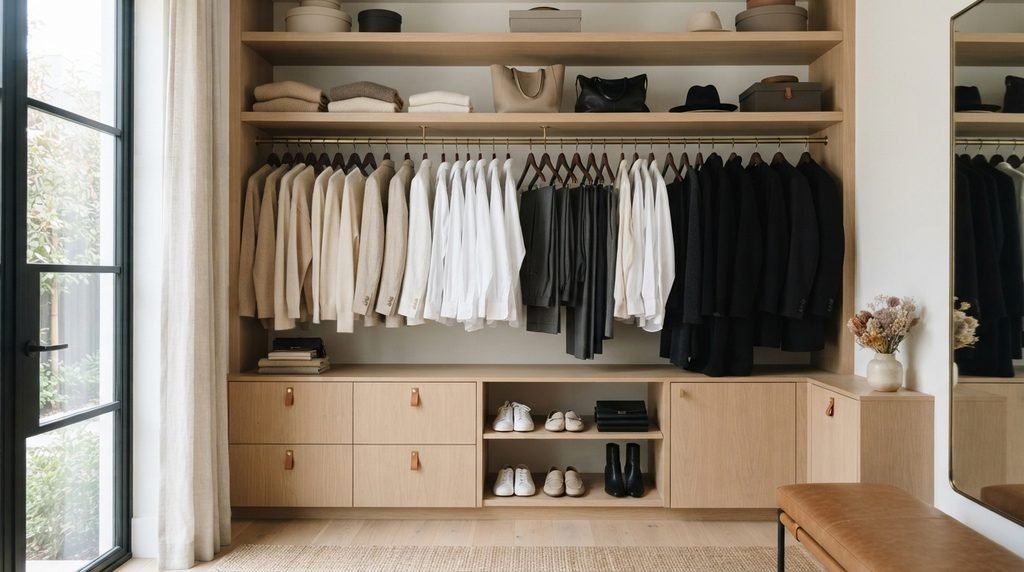
Decision fatigue is the silent thief of time. Most mornings, the struggle isn’t a lack of clothing, but an excess of poorly fitting items that refuse to coordinate. If your closet is packed with garments that don’t talk to each other, you are spending your mental energy on logistics rather than your actual day. A neutral capsule wardrobe simplifies your life by limiting your choices to pieces that share a cohesive color story, allowing you to get dressed in minutes without compromising your personal style.
Learning how to build a neutral capsule wardrobe is about shifting your focus from quantity to quality. By selecting items in shades of black, white, gray, beige, and navy, you remove the guesswork from outfit creation. Everything matches. Every shirt pairs with every pant. This guide provides the framework to audit your existing collection and replace clutter with functional, timeless staples that survive seasonal trends.
Step 1: Audit Your Current Collection
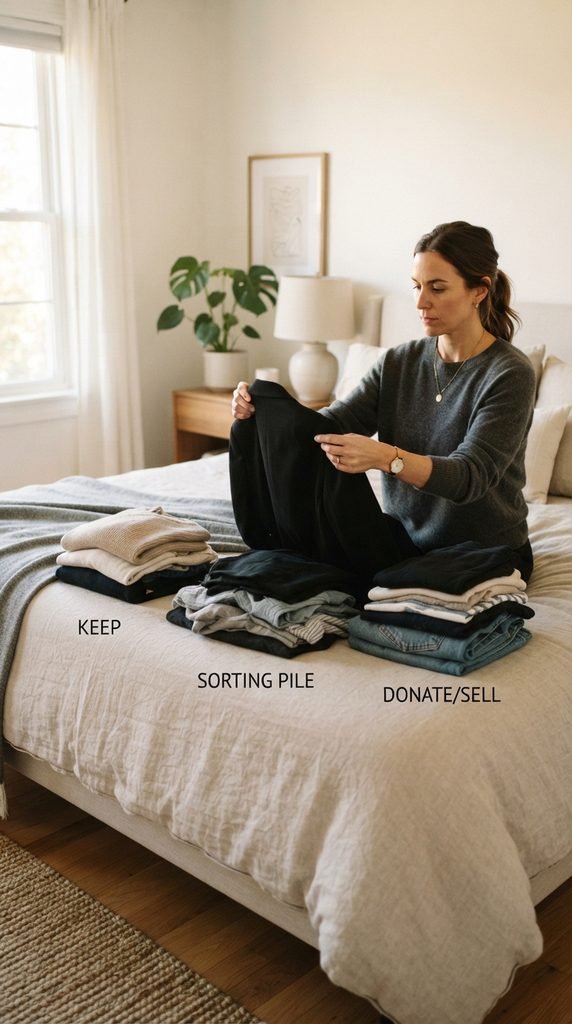
Before you purchase a single item, you must understand what you already own. Clear your entire closet and pile everything on your bed. Sort your items into three categories: keep, donate, and repair.
- The Keep Pile: Items that fit perfectly today, feel comfortable, and fit the neutral color palette.
- The Donate/Sell Pile: Clothes that have not been worn in a year, pieces that require constant tailoring, or items that are stained or damaged beyond repair.
- The Repair Pile: High-quality garments that only require a button replacement or a quick hem.
Ask yourself if an item represents your current lifestyle. If you work in a creative office but own five formal evening gowns you haven’t touched in three years, those belong in the sell pile. Keep only what serves your current daily reality.
Step 2: Define Your Neutral Base
A neutral wardrobe functions because of a shared color harmony. Choose a primary neutral (black or navy) and a secondary neutral (beige, taupe, or camel). You want your foundation to be interchangeable.
Recommended Core Palette:
* Bottoms: 2 pairs of trousers (one black, one khaki), 1 pair of dark wash denim, 1 midi skirt.
* Tops: 3 classic t-shirts (white, gray, black), 2 button-down shirts (crisp white, light blue or oatmeal), 2 knit sweaters.
* Outerwear: 1 trench coat or wool coat, 1 blazer.
* Shoes: 1 pair of clean white sneakers, 1 pair of black leather ankle boots, 1 pair of loafers.
Focus on natural fibers. Cotton, wool, silk, and linen offer a depth and longevity that synthetic combines lack. Check care labels; if a piece requires expensive dry cleaning for every minor smudge, reconsider its place in a daily-wear capsule.
Step 3: Prioritize Fit and Silhouette
A neutral wardrobe fails if the clothes do not fit your frame. Without patterns or loud colors to distract the eye, the cut of your clothing takes center stage. A plain white tee looks high-end if it is thick enough to be opaque and falls exactly at your hip line. A loose, boxy shirt looks sloppy if the shoulders do not sit where your arm meets your shoulder bone.
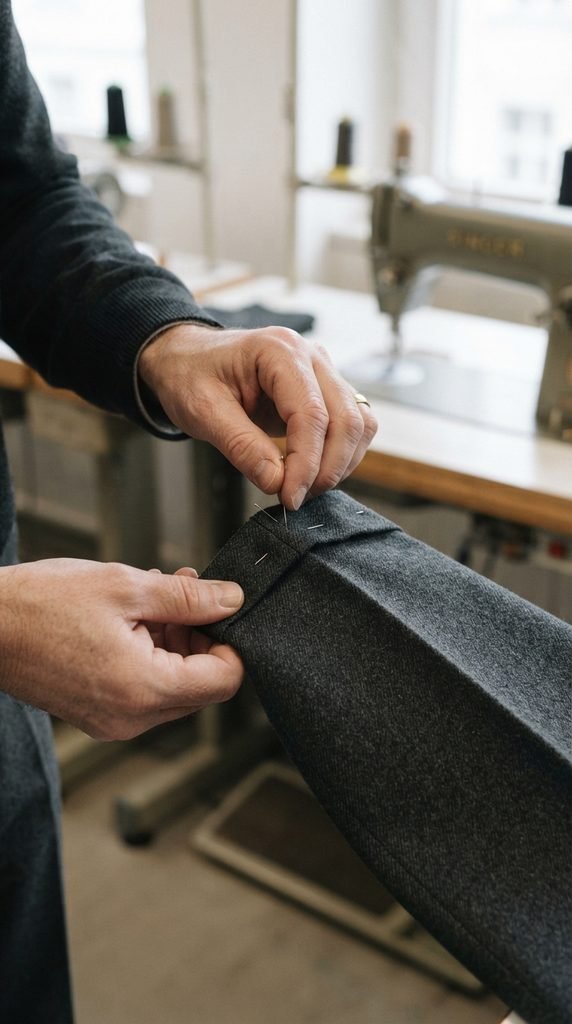
Visit a local tailor with your primary pieces. Taking a pair of trousers to be hemmed to your specific leg length or having a blazer nipped at the waist transforms a garment from “off the rack” to custom. Most people overlook tailoring, yet it is the secret behind a high-end appearance.
Step 4: Layering for Seasonal Adaptation
The beauty of a capsule system is the ability to layer throughout the year. In colder months, the same white t-shirt and dark denim work with a heavy wool sweater and an overcoat. In warmer months, shed the outer layers.
- Base Layer: Lightweight tank or t-shirt.
- Mid Layer: Button-down shirt or thin sweater.
- Outer Layer: Blazer, coat, or leather jacket.
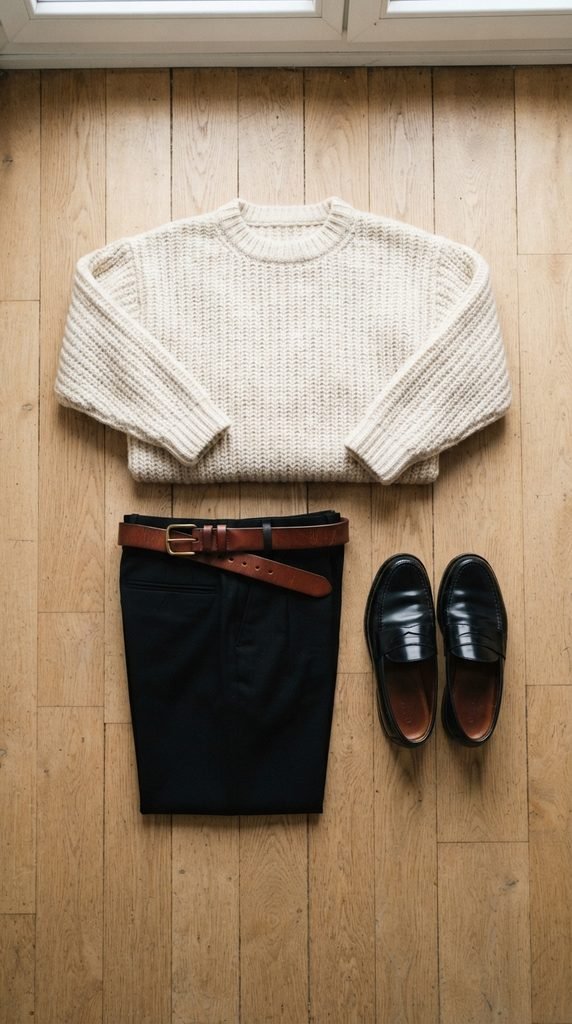
This approach keeps you prepared for shifting temperatures without needing a separate wardrobe for every season. Stick to a “three-piece rule” for outfits: a bottom, a top, and a third piece (like a belt, a light jacket, or a structured cardigan) to complete the silhouette.
Common Mistakes to Avoid
The most frequent error is falling for “filler” pieces—cheap items bought on sale that don’t serve a purpose. If you buy a sweater just because it is discounted, but it doesn’t match your existing trousers, you have added an obstacle to your morning routine.
Another trap is ignoring texture. When everything is the same color, the only way to create visual interest is through fabric. Mix a chunky cable-knit sweater with a sleek silk skirt, or wear heavy denim with a fine-gauge cotton tee. Without texture contrast, your outfit will appear flat and uninspired.
Maintenance and Long-Term Care
Your wardrobe longevity depends on how you treat your garments. Invest in wooden hangers to maintain the structure of your jackets and shirts. Avoid wire hangers, as they cause shoulder bumps.
- Wash less: Over-washing breaks down fibers. Air out your clothes after wearing them instead of tossing them in the laundry hamper immediately.
- Storage: Store off-season items in breathable garment bags. Never keep your clothes in plastic dry-cleaner bags, as these trap moisture and damage fabrics.
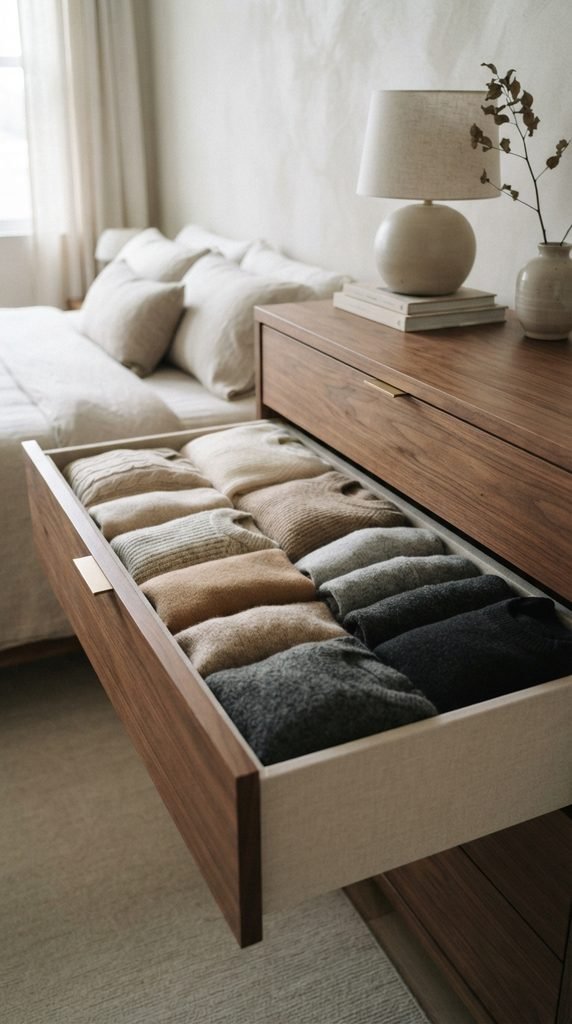
- Depilling: Keep a fabric shaver on hand to remove pilling from wool sweaters. This one small habit makes old clothes look brand new.
Conclusion
Building a neutral capsule wardrobe is an exercise in intentionality. By removing the noise of patterns and aggressive trends, you reclaim your morning time and guarantee that every item you reach for is one you love to wear. Start by auditing what you currently have, define your neutral color palette, and focus your budget on tailoring and quality natural fibers.
When you strip away the excess, you are left with a collection that reflects your true style. Save this guide to your Pinterest “Style Inspiration” board to revisit as you curate your pieces throughout the year.