How to Build a Neutral Capsule Wardrobe on a Budget Without Sacrificing Style
 By VelvetNesty
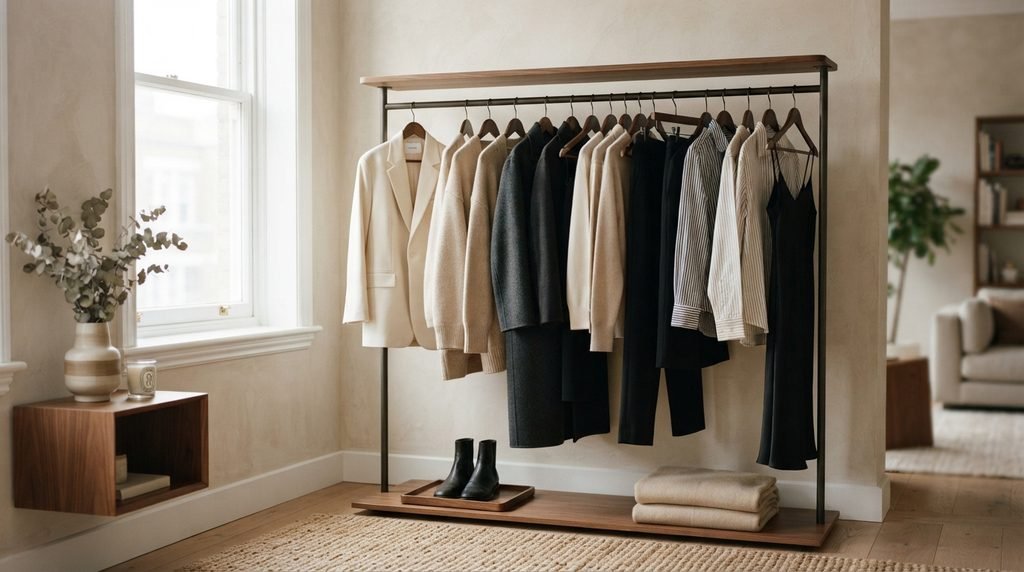
Building a wardrobe that feels cohesive yet affordable is a challenge many face when staring at a closet overflowing with clothes they never wear. The goal is to create a system where every item pairs perfectly with another, allowing you to get dressed in seconds without stress. By focusing on a neutral palette—shades of white, tan, gray, navy, and black—you remove the friction of matching colors and focus instead on silhouette and fit.
Many assume a high-quality, minimal closet requires a luxury budget, but this is a misconception. Creating this collection is about curation, patience, and recognizing quality fabrics over brand names. By ignoring seasonal trends and focusing on long-term pieces, you stop the cycle of fast-fashion spending. This guide walks you through the process of selecting the right pieces while keeping your bank account intact.
Step 1: Audit and Define Your Uniform
Before spending a cent, clear out your current closet. Take every item out and categorize them into three piles: Keep, Donate, and Sell. The “Keep” pile should only contain items you reach for repeatedly, fit your body currently, and fit the neutral color scheme. If an item is colorful or patterned, ask yourself if it pairs with at least three other pieces you own. If not, it is time to let it go.
Once you have a lean collection, identify your “uniform.” This is the combination of items you feel most confident in. Perhaps it is a white button-down with black trousers or a crewneck sweater with straight-leg jeans. Defining this template prevents impulse purchases that sit unworn. Write down your ideal palette—for example, stick to cream, camel, and charcoal—and commit to only purchasing items within those specific tones.

Step 2: Source High-Quality Materials on a Budget
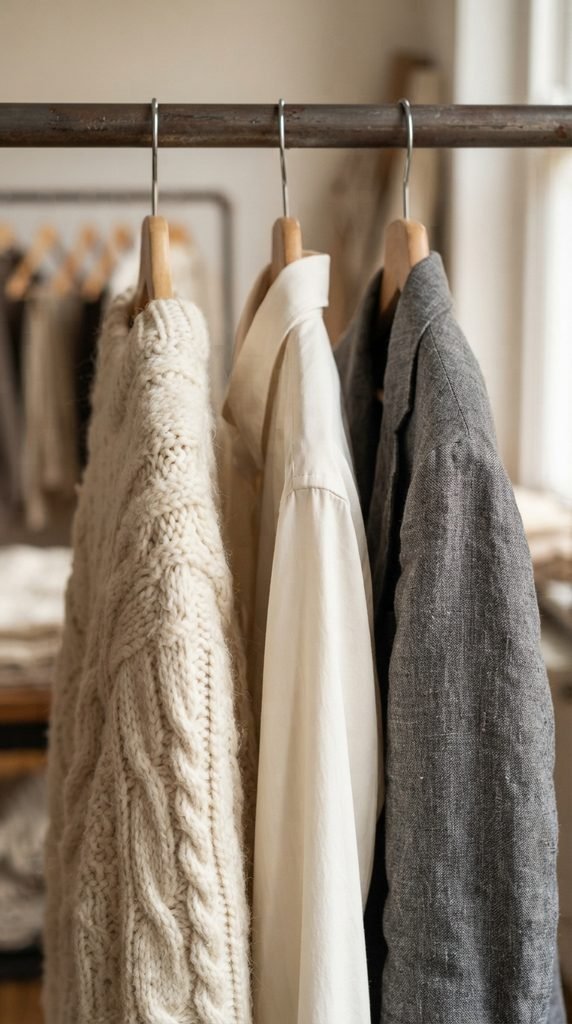
Material composition dictates how long a garment lasts. Cheap synthetics like polyester often lose their shape and cause discomfort after a few washes. When shopping on a budget, look for natural fibers: cotton, wool, linen, and silk. You can find these at affordable price points if you change where you shop.
- Second-hand platforms: Apps like Depop, Poshmark, and Vinted are goldmines for high-end brands being sold at a fraction of the cost. Search specifically for “100% cashmere,” “100% linen,” or “100% wool” to filter out cheaper combines.
- Off-price retailers: Visit stores that carry excess stock from high-quality labels. Often, these pieces are marked down because they are slightly out of season or the last of a size run.
- Outlet stores: Check the clearance racks at stores that prioritize basics. Look for “factory” versions of staples, provided the fiber content remains high.
- Thrift stores: Focus on the men’s section for oversized cashmere sweaters or button-down shirts, which often have better material quality than women’s sections for lower prices.
Step 3: Prioritize the Core Essentials
A functional wardrobe requires specific foundations. Do not buy everything at once. Build your collection over time, focusing on one category per month.
- The Bottoms: Invest in two pairs of well-fitting trousers—one in black and one in a neutral tone like olive or stone. Add one pair of straight-leg medium-wash jeans with no distressing.
- The Tops: Aim for three basic t-shirts in white, black, and gray. These are your layering foundation. Add two button-down shirts—one crisp white cotton and one slightly oversized striped or blue option.
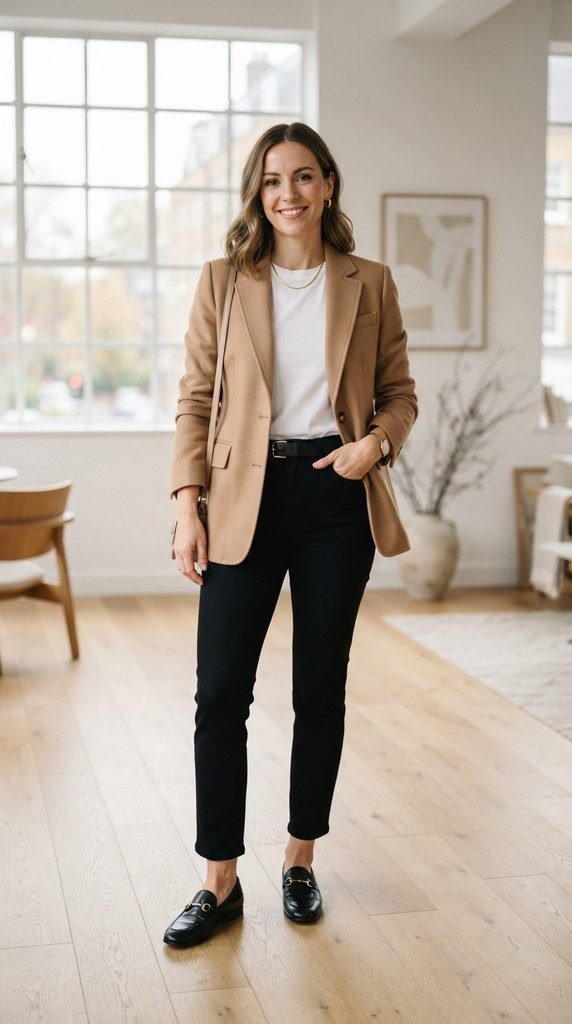
- The Layers: A classic blazer is your best friend. A structured black or camel blazer enhances a t-shirt and jeans instantly. Add a neutral-colored knit sweater for colder days.
- Footwear: You only need three pairs. A pair of clean white sneakers for daily use, a pair of leather loafers for professional settings, and one neutral-toned boot or ankle shoe.
Step 4: Common Mistakes to Avoid
The most common trap is the “clearance aisle high.” Seeing a shirt for $10 feels like a win, but if it does not fit your color scheme or your body, it is a $10 waste. Avoid buying “just in case” items. If you are not excited to wear it immediately, leave it on the rack.
Another frequent error involves ignoring fit. A $200 shirt that does not fit correctly will look worse than a $20 shirt that has been tailored. Set aside a small portion of your budget for a local tailor. Shortening sleeves, taking in a waist, or hemming pants can turn a thrift store find into a piece that looks custom-made for your frame.
Finally, stop buying pieces that require “special care” if you are not willing to provide it. If you hate dry cleaning, do not buy wool coats that cannot be machine-washed or treated at home. Choose fabrics that suit your lifestyle to guarantee you actually wear what you own.
Step 5: Maintenance and Long-Term Care
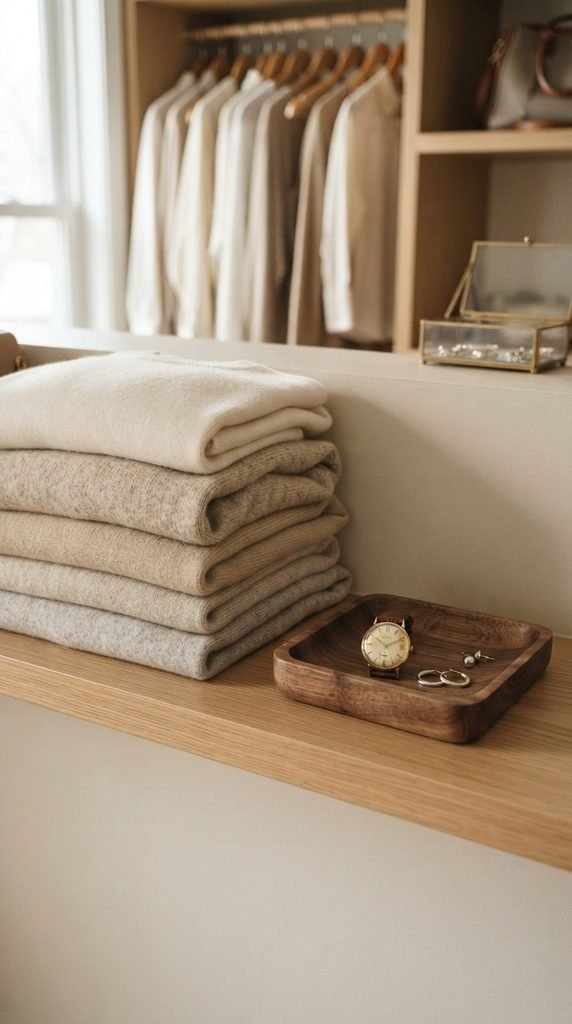
To keep your neutral wardrobe looking expensive, you must care for the items. Use wooden hangers for blazers and coats to maintain their shoulder shape. Use a fabric shaver to remove pilling from sweaters. Hand-wash delicate items in cold water and hang them to dry instead of using a dryer, which breaks down fibers and leads to shrinkage.
Rotate your closet seasonally. When items are not in use, store them in breathable garment bags to protect them from dust and moths. By treating your clothes with care, you avoid the need to replace them, keeping your budget intact year after year.
Conclusion
Building a neutral wardrobe is about choosing function over hype. By selecting high-quality materials, tailoring for fit, and shopping second-hand or off-price, you create a rotation of items that serve you for years rather than months. Focus on the basics, ignore the pressure to keep up with short-term fads, and enjoy the simplicity of a closet where everything matches.
Did you find this guide helpful? Save this post to your “Minimalist Style” or “Budget Fashion” Pinterest board to reference these tips while you shop.