How to Build a Street Style Capsule Wardrobe on a Budget Without Sacrificing Style
 By VelvetNesty
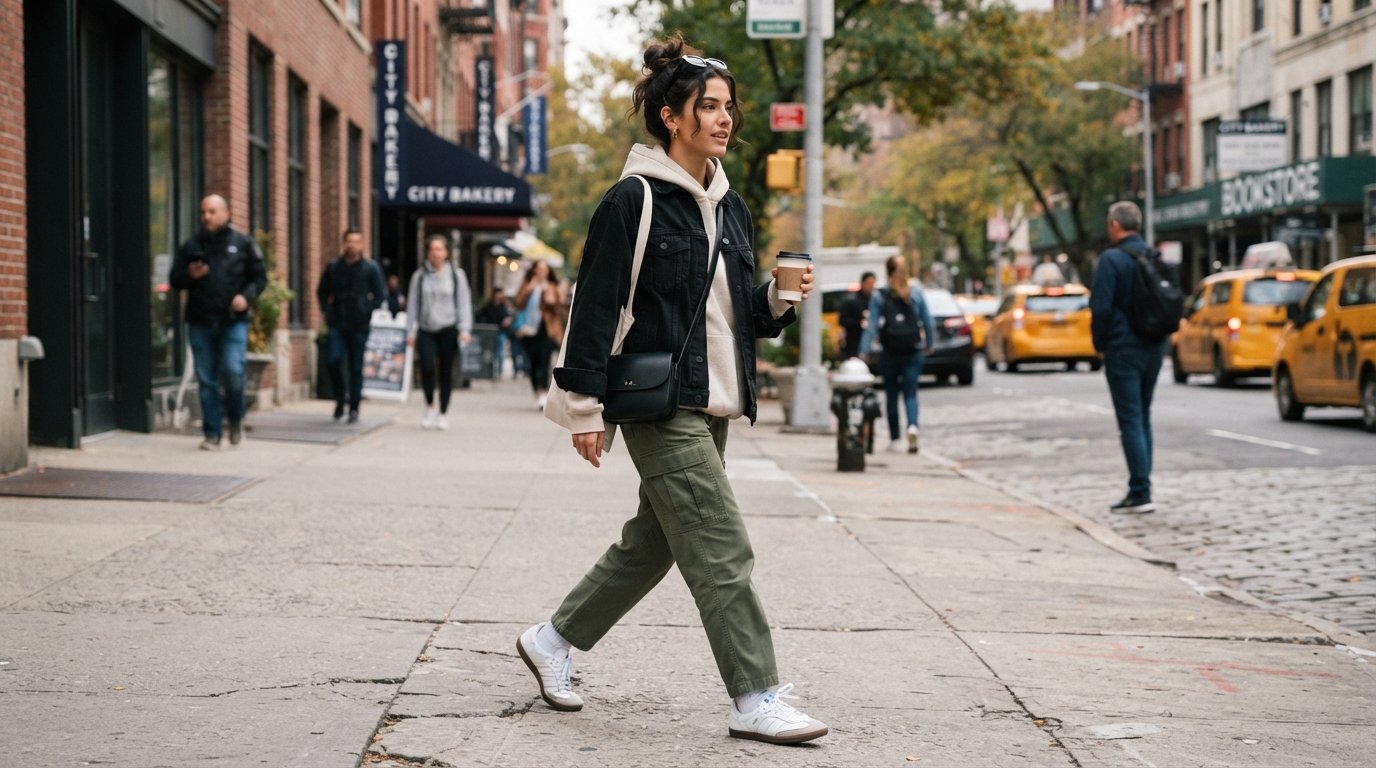
Street style is often mistaken for a high-price game of chasing fleeting trends. The reality is that the most iconic outfits seen on the streets of New York, Tokyo, or London are built on a foundation of basic, high-quality components. When you stop chasing fast fashion cycles, you gain the freedom to define your aesthetic. Building a street style capsule wardrobe on a budget is about shifting your focus from quantity to the geometry of your silhouette and the quality of your textiles.
Many people feel trapped by the idea that a high-fashion appearance requires a designer budget. This guide breaks down how to curate a collection of pieces that function together as a system. By following these principles, you stop wasting money on one-hit-wonder garments that clutter your closet and start investing in a modular system that lasts for years while maintaining a sharp, modern edge.
Step 1: Establish Your Core Color Palette
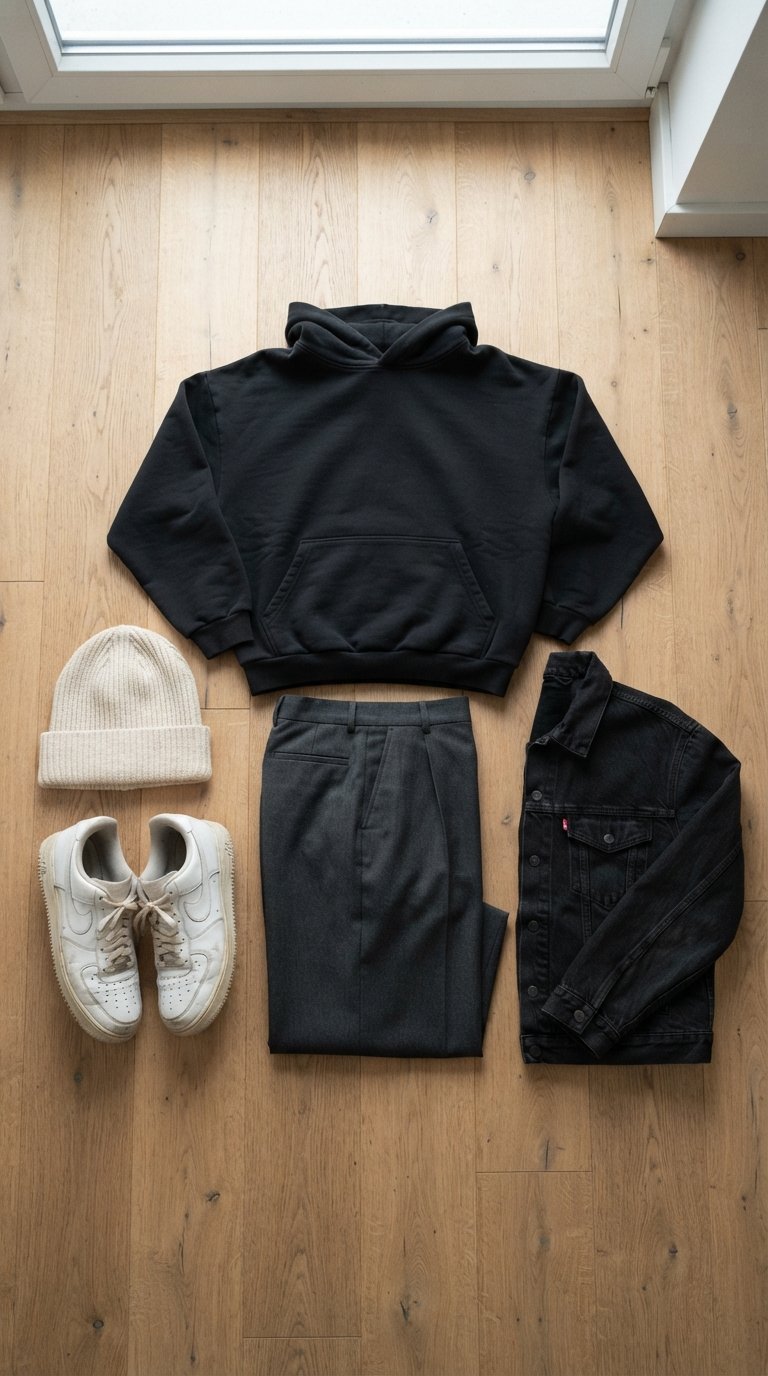
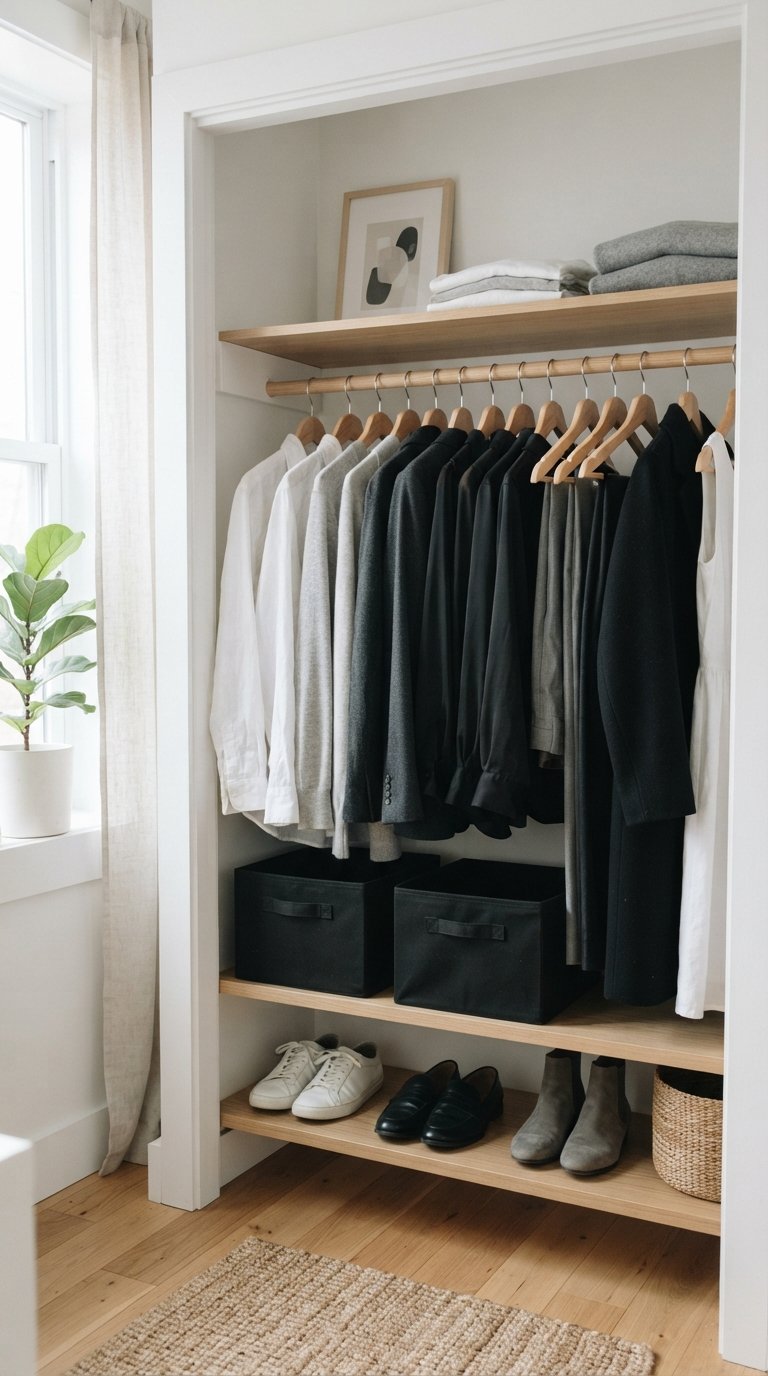
The secret to a street style aesthetic that feels expensive is color cohesion. When your items share a color story, everything matches everything else. Avoid neon trends or loud, seasonal patterns. Instead, build your base with neutrals—black, charcoal, slate gray, cream, or olive green.
- The 70/30 Rule: Dedicate 70% of your wardrobe to these core neutrals. Use the remaining 30% for monochromatic shades or subtle textures like distressed denim or heavy-duty cotton.
- Fabric Choice: Prioritize heavy cotton, rigid denim, and wool combines. These materials hold their shape, which provides the boxy, structured silhouette characteristic of street style.
- The Neutral Test: If you pick up an item, ask if it pairs with at least three other items already in your closet. If the answer is no, leave it on the rack.
Step 2: Source High-Impact Pieces on a Budget
Thrift stores and secondary marketplaces are the primary tools for building a street style collection without paying retail markups. You are looking for specific silhouettes, not specific brands.
- Look for Boxy Fits: Focus on oversized flannels, chore coats, and wide-leg trousers. Check the men’s section of thrift stores for these items; they often have the exact baggy proportions that current street style trends demand.
- Denim Sourcing: Buy vintage, non-stretch denim. It lasts longer and develops a better fade than modern, synthetic-combine denim. If you find a pair that fits the waist but is too long, a simple raw hem (cut with fabric scissors) adds an authentic DIY street aesthetic.
- Footwear Strategy: Shoes define the silhouette. A pair of classic white sneakers or bulky trainers can carry an entire outfit. Wait for end-of-season sales on established athletic brands rather than buying cheap, fast-fashion shoes that fall apart in a month.
Step 3: Master the Art of Layering
Street style relies on depth. Even if your clothes are inexpensive, layering makes them appear curated and intentional. The goal is to play with length and volume.
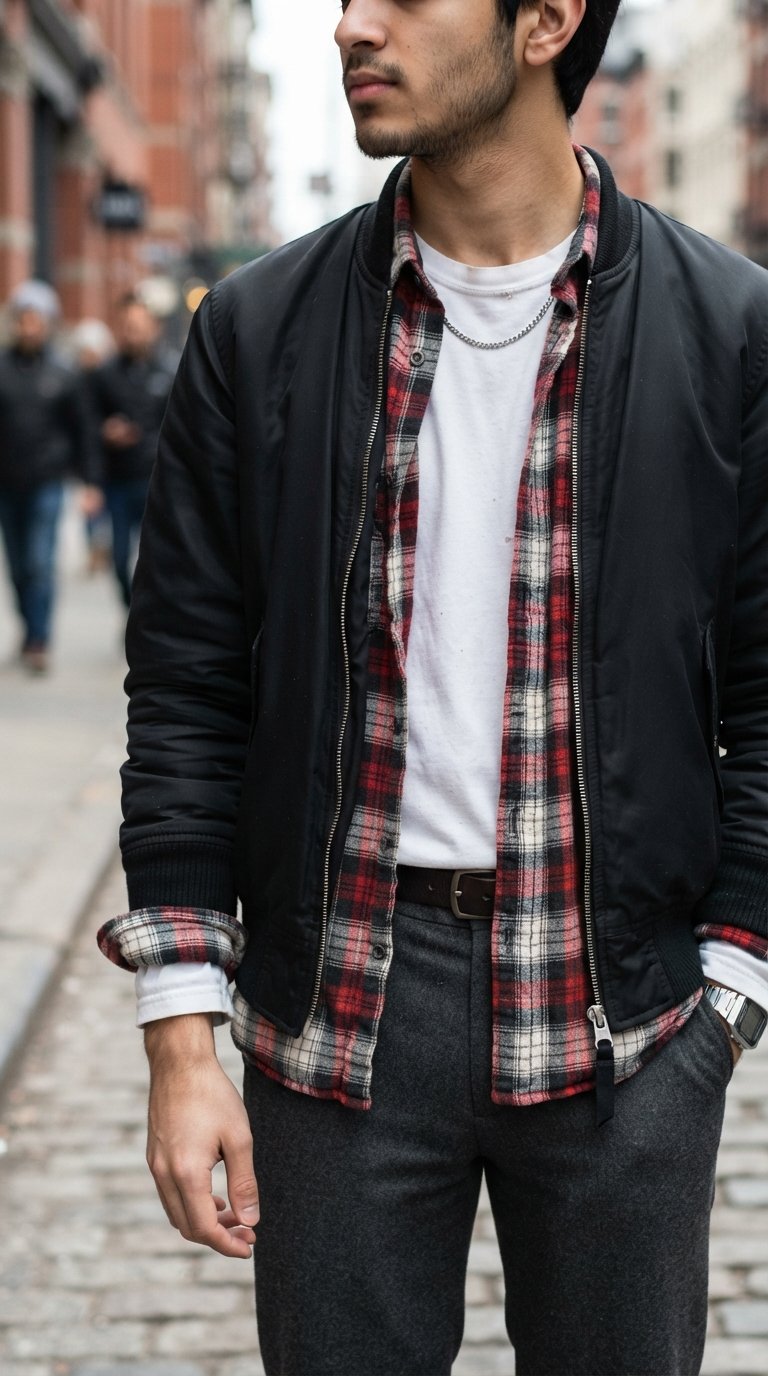
- The Proportion Game: If you wear baggy trousers, balance the top with a slightly cropped jacket or a tucked-in heavyweight t-shirt. If you wear a slim fit on the bottom, go oversized on the top.
- Texture Contrast: Pair smooth synthetic shells (like a windbreaker) with textured fleece or ribbed cotton. This visual variety makes an outfit look deliberate.
- The Mid-Layer Trick: A simple hoodie worn under a bomber jacket or a denim vest creates a silhouette that looks complete. This is the most efficient way to use basic items to create a high-fashion look.
Step 4: Common Mistakes to Avoid
The biggest trap in building a capsule wardrobe is buying “project pieces”—items you think you will wear after you lose weight, or items that need repairs you will never perform.
- Avoiding Trends: Do not buy into the “micro-trend” cycle. If a piece is being sold by a fast-fashion giant as a viral item, it will likely be out of style in three months and will lose its shape after one wash.
- Ignoring Tailoring: While you have a limited budget, you can learn basic sewing. Hemming your own trousers or taking in a jacket sleeve can transform a five-dollar thrifted find into a piece that fits like a custom garment.
- Over-Buying Accessories: A minimalist aesthetic is stronger without excess. One high-quality watch, one reliable pair of sunglasses, and a simple crossbody bag are enough. Do not spend your budget on cheap jewelry that tarnishes.
Step 5: Maintenance and Longevity
If you buy better fabrics, you must treat them with care. The lifespan of a street style wardrobe depends on how you clean it.
- Wash Less: Denim and heavy outerwear do not need frequent washing. Spot clean when possible. When you do wash, use cold water and hang-dry. High heat in a dryer breaks down cotton fibers and ruins the fit of oversized pieces.
- De-Pilling: Invest in a fabric shaver. It removes the fuzz from sweaters and hoodies, making older, thrifted pieces look brand new.
- Storage: Use wooden or velvet hangers to keep the structure of jackets and shirts. If you fold hoodies, fold them neatly to prevent creases that make the fabric look cheap.
Conclusion
Building a street style capsule wardrobe requires patience. It is a slow process of curation rather than a one-time shopping trip. By choosing neutral colors, focusing on boxy silhouettes, sourcing from the secondhand market, and mastering the art of layering, you create a look that feels authentic and high-end without the price tag.
Stop searching for the next “it” item and start refining what you already own. Focus on the fit, the fabric, and the proportion. Your style will speak louder than any label ever could.
Save this guide to your Pinterest “Style Inspiration” or “Capsule Wardrobe” board to keep these tips handy the next time you head out to thrift or organize your closet.