How to Create a Minimalist Neutral Capsule Wardrobe With Fewer, Better Pieces
 By VelvetNesty
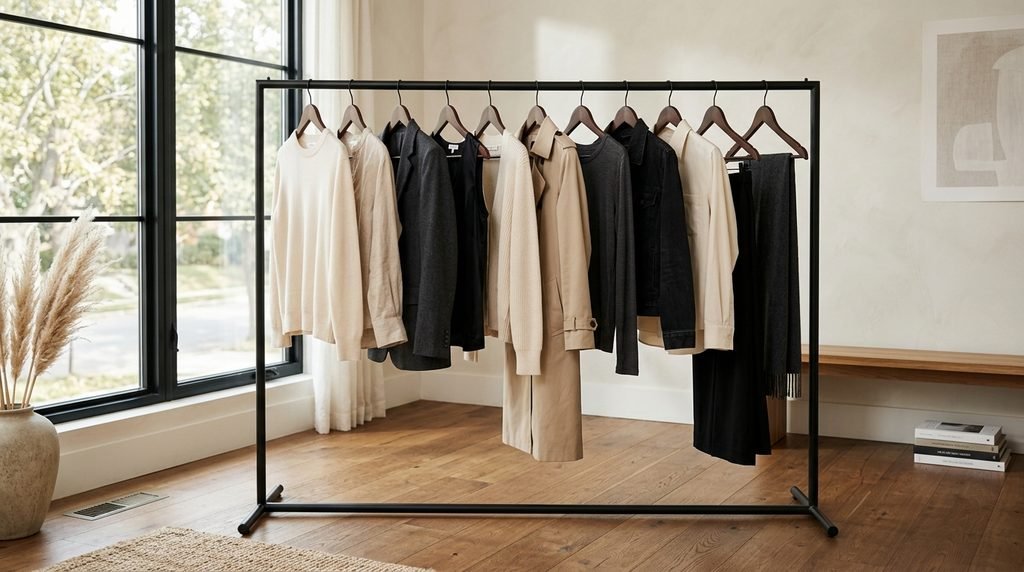
The feeling of standing before an overflowing closet only to find nothing to wear is a shared frustration. Most people own too many items that don’t coordinate, leading to decision fatigue and wasted money. A minimalist neutral capsule wardrobe changes this dynamic by prioritizing quality, intentionality, and a cohesive color palette. By limiting your choices, you actually expand your styling possibilities.
Creating a wardrobe built on fewer, better pieces is about shifting focus from quantity to longevity. When every garment fits well and matches the rest of your collection, the time spent getting dressed each morning drops from fifteen minutes to seconds. This guide provides the framework to build a simplified closet that functions for your life, your climate, and your aesthetic preferences without requiring a total overhaul of your current belongings.
Step 1: Audit and Categorize Your Existing Items
Begin by emptying your entire closet onto your bed. Hold every single item in your hands and evaluate its place in your current life. Sort everything into four piles: Keep, Donate, Sell, and Repair.
- Keep: Items that fit perfectly, reflect your personal style, and are made from high-quality fabrics.
- Donate/Sell: Items that no longer fit, show significant signs of wear, or don’t align with a neutral color scheme.
- Repair: Pieces you love but need minor adjustments, like a loose button or a hem that has fallen.
Be honest about how often you wear each piece. If you haven’t touched a garment in a year, it does not belong in your permanent collection. Aim to retain only those items that make you feel confident and comfortable.
Step 2: Define Your Neutral Color Palette
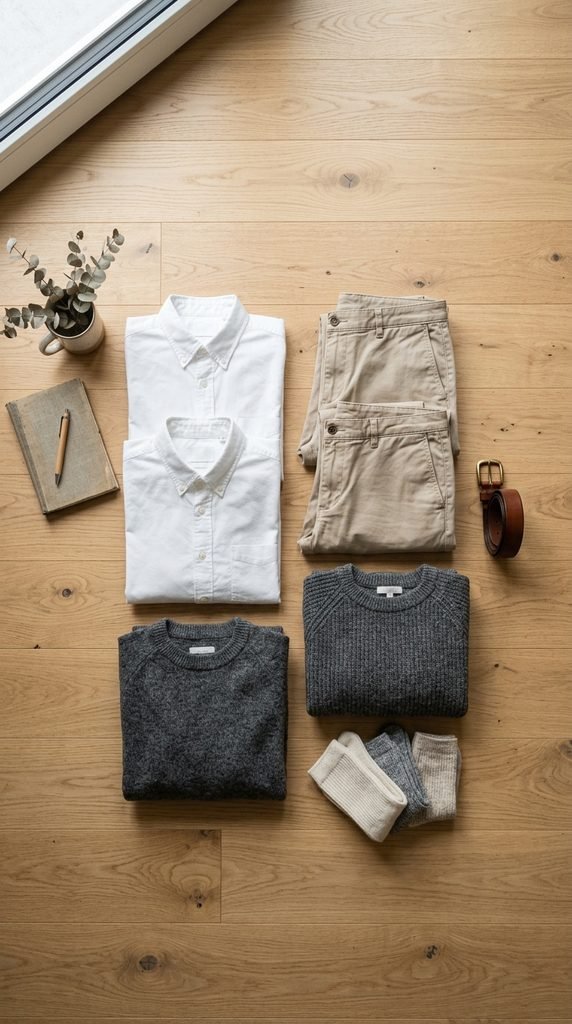
Neutral doesn’t have to mean boring. The strength of a minimalist closet lies in the ability for every bottom to match every top. Choose one anchor color and two accent neutrals to maintain consistency.
- Anchor Colors: Black, Navy, or Charcoal. These provide the structure for your wardrobe.
- Accent Neutrals: Cream, White, Beige, Taupe, or Heather Grey. These add dimension.
- Texture Contrast: Since you aren’t using loud colors, use textures to create interest. Pair a chunky wool sweater with silk trousers, or crisp cotton shirting with denim.
Avoid impulsive purchases by checking if a new item fits into your established color story before bringing it home. If it doesn’t match at least three items you already own, do not buy it.
Step 3: Curate Your “Fewer, Better” Selection
A capsule wardrobe is not a fixed number of items, but rather a collection of pieces that serve your daily requirements. A solid foundation usually includes 20–30 items. Focus on these categories:
- The Foundation: Three pairs of well-fitting bottoms (e.g., tailored trousers, dark wash denim, and a midi skirt).
- The Basics: Five high-quality tees or tanks in white, black, and beige.
- The Layers: Two sweaters (one thin, one chunky) and one structured blazer or wool coat.
- The One-Pieces: Two dresses that function for both professional and casual environments.
- The Footwear: One pair of white leather sneakers, one pair of ankle boots, and one pair of loafers.
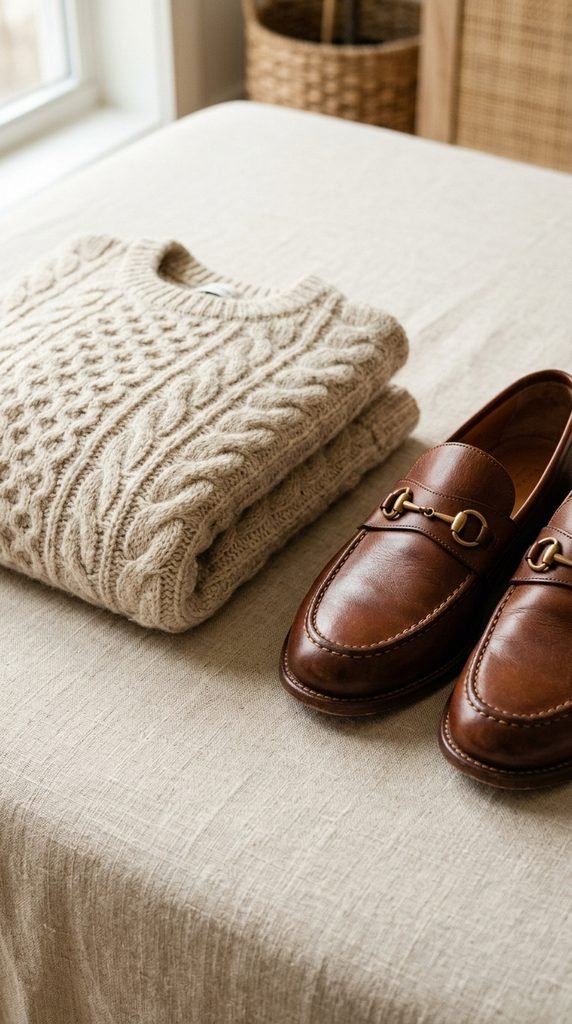
Focus on natural fabrics like organic cotton, linen, merino wool, and silk. These materials age better and regulate body temperature more effectively than synthetic combines.
Step 4: Key Techniques for Maintenance and Longevity
Building the wardrobe is only half the battle; maintaining it requires a shift in habits. When you own fewer pieces, you will wear them more often, which necessitates proper care.
- Laundry Care: Wash clothes inside out using cold water and hang-dry items whenever possible. Heat from dryers degrades fibers over time.
- Rotation: Use a “hang back” system. When you wash an item, hang it at the back of the rail. You will naturally gravitate toward pieces you haven’t worn in a while, guaranteeing even wear across the collection.
- Seasonality: If your climate fluctuates, store out-of-season items in breathable garment bags under your bed. This keeps your closet clear of clutter.
- The One-In, One-Out Rule: For every new item you add, remove one that is worn out or no longer fits. This keeps your wardrobe count stable.
Common Mistakes to Avoid
The most frequent error is trying to complete the capsule too quickly. Building a quality wardrobe is a slow process that takes months or even years. Avoid buying “filler” items—cheap, poorly constructed pieces you only get because they were on sale. Those items fail within a few washes and end up back in the donation pile, costing you more in the long run.
Another mistake is ignoring your lifestyle. If you spend your days in a creative studio, don’t build a wardrobe consisting entirely of stiff blazers and high heels. Adjust the ratio of casual to formal wear to reflect your actual day-to-day existence.
Budget Tips for High-Quality Finds
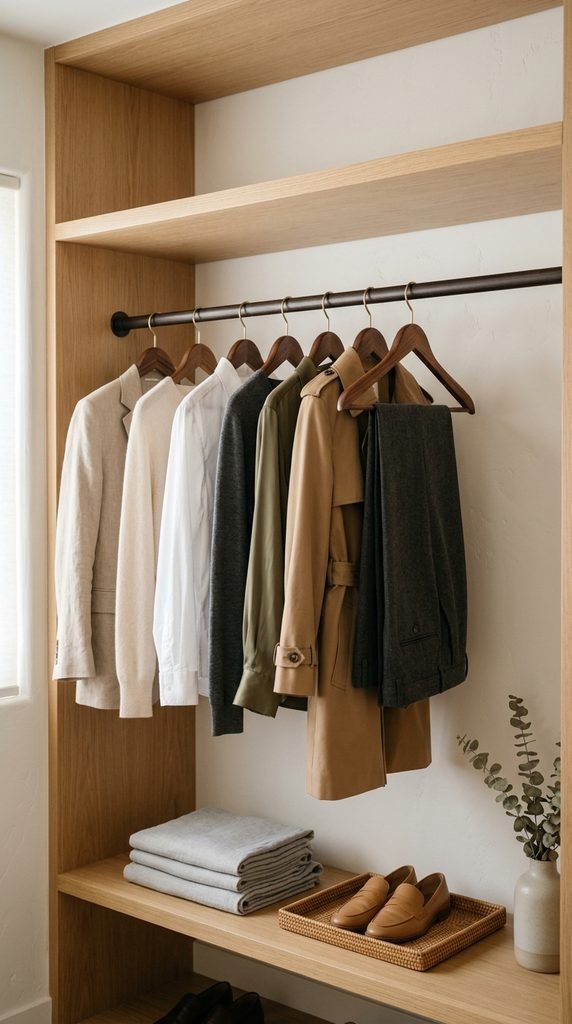
Quality does not always require high-end designer labels.
- Secondhand Markets: Use resale platforms to find high-quality fabrics like cashmere or wool that are out of budget when bought new.
- End-of-Season Sales: Purchase your “investment” pieces during off-seasons.
- Cost-per-Wear Calculation: Before buying an item, divide the price by how many times you expect to wear it in a year. A $100 sweater worn 100 times costs $1 per wear. A $20 shirt worn twice costs $10 per wear. Higher upfront costs often result in lower long-term spending.
Conclusion
A minimalist neutral capsule wardrobe is about reclaiming your time and energy. By removing the noise of unnecessary choices, you create room for a personal style that feels authentic and composed. Focus on sourcing the best materials you can afford, maintaining them with care, and resisting the urge to participate in fast fashion cycles.
Your wardrobe should serve your life, not the other way around. Start by editing your existing pieces today. Save this guide to your Pinterest board to keep your project on track as you continue to refine your collection.