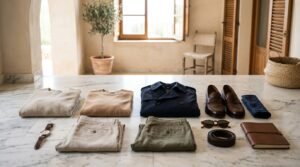
How to Style an Old Money Capsule Wardrobe for Effortless Everyday Elegance
 By VelvetNesty
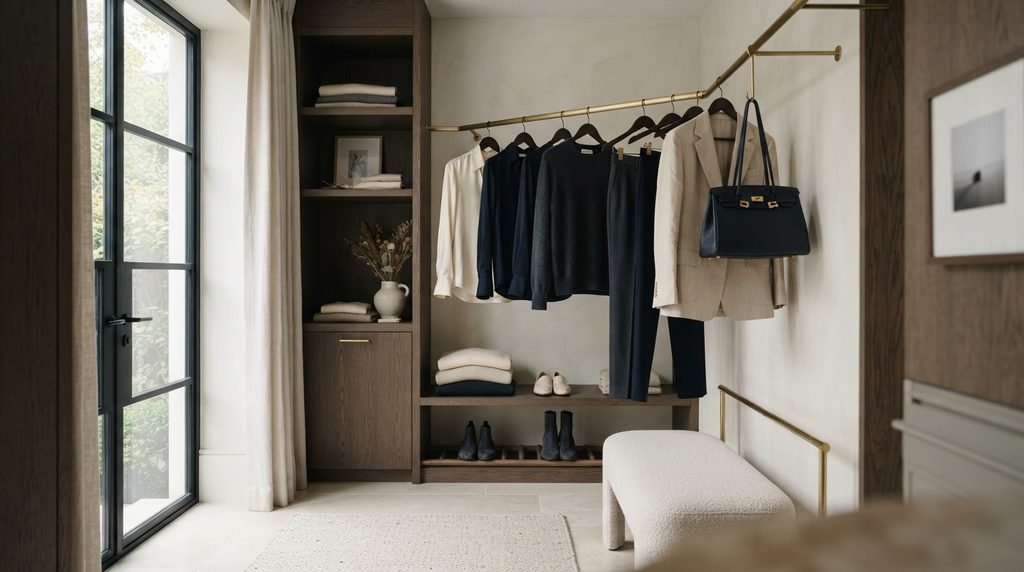
The “Old Money” aesthetic is not about labels or logos; it is a philosophy of curation. It relies on the quiet power of high-quality textiles, precise tailoring, and a restrained color palette that defies the frantic pace of fast-fashion trends. By focusing on garments that age gracefully, you create a personal style that feels permanent and intentional, rather than fleeting.
Learning how to style an old money capsule wardrobe changes your daily routine. Instead of staring at an overflowing closet feeling as though you have nothing to wear, you gain a small collection of pieces that work in harmony. This guide provides the blueprint for building and wearing a wardrobe that prioritizes longevity over excess, teaching you how to balance silhouette, texture, and proportion to achieve a refined, relaxed appearance.
Step 1: Curating Your Foundation Pieces
Before adding accessories, your wardrobe requires a solid base. Every item must serve a purpose and be made of natural fibers. Synthetic materials often lose their shape after a few washes, which breaks the illusion of quiet wealth.
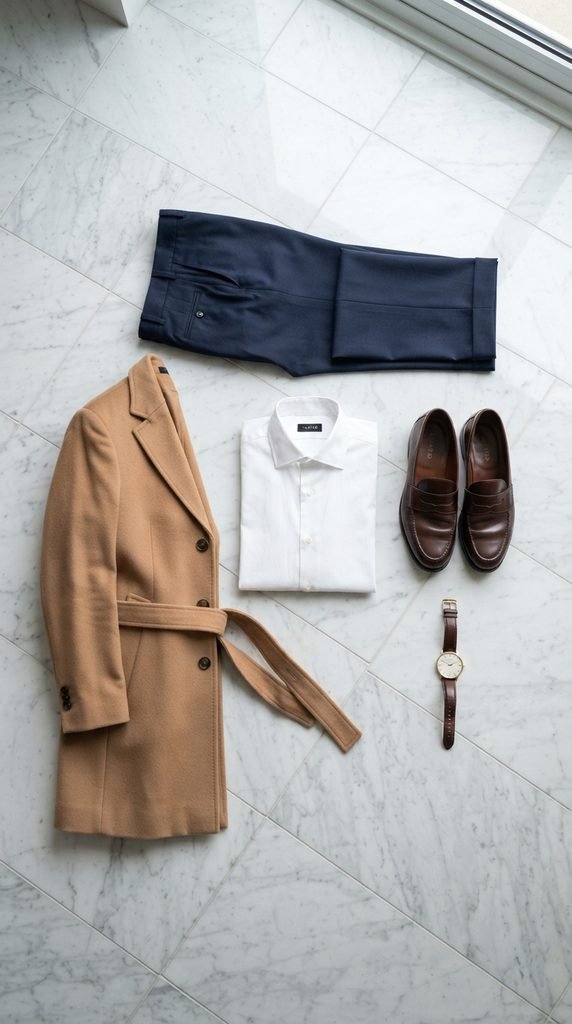
- Tops: Invest in crisp white button-down shirts made of heavy cotton poplin or silk. Add a few fine-gauge cashmere or merino wool crew-neck sweaters in neutral tones like oatmeal, navy, or heather grey.
- Bottoms: Tailored trousers are non-negotiable. Look for wool-combine slacks in a straight or wide-leg cut. A high-quality denim pair in a deep, dark indigo wash without distressing is also required.
- Outerwear: A camel-colored wool coat or a classic trench coat acts as the final layer that anchors your aesthetic.
Step 2: The Art of Proportion and Silhouette
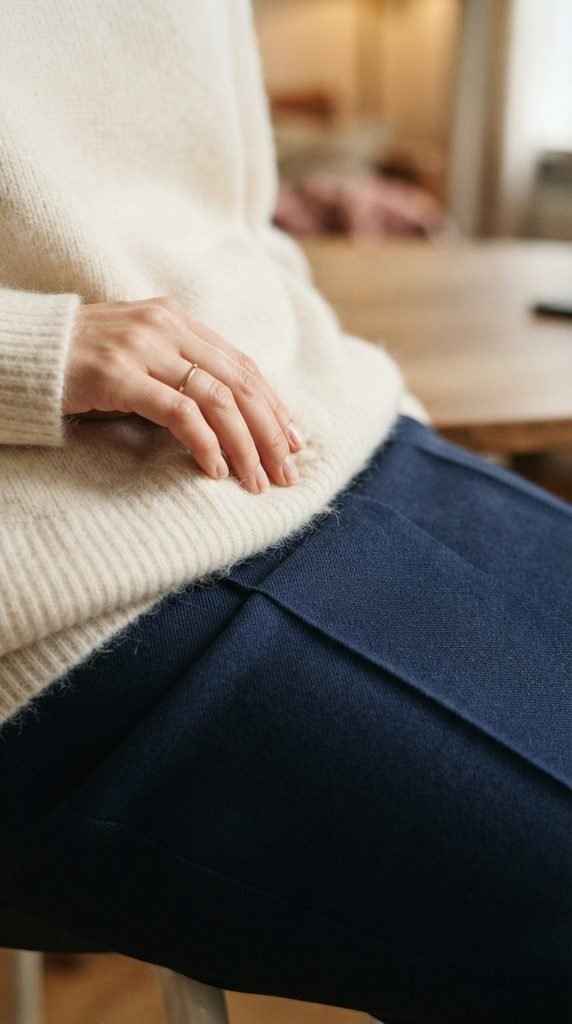
The secret to effortless elegance lies in how your clothes sit on your body. Old money style favors structured tailoring over oversized, slouchy fits. Your garments should skim the body, never cling to it, and never look as though they are swallowing your frame.
- The Rule of Thirds: If you wear a wide-leg trouser, tuck in a slim-fit turtleneck or a fitted silk blouse. This defines your waistline and creates a visual balance.
- Monochromatic Dressing: Wearing varying shades of the same color creates a long, lean line. Pairing a cream sweater with ecru trousers creates a sophisticated, expensive appearance that appears intentional.
- Tailoring is Mandatory: Even the most expensive trousers will look inexpensive if they hit your shoes at the wrong spot. Take your items to a professional tailor to adjust hemlines and sleeve lengths. A quarter-inch difference in length alters how an entire garment hangs.
Step 3: Mastering Texture over Pattern
Patterns often date a wardrobe and distract from the quality of the cut. To keep your style looking timeless, swap loud prints for interesting textures. This keeps your outfits interesting without needing complex styling tricks.
Combine different weights of fabric to add depth. Pair a heavy knit cable sweater with a lightweight silk midi skirt. The contrast between the rough, cozy wool and the smooth, shimmering silk provides visual interest that feels high-end.
Recommended Fabric Checklist:
* Cashmere and Merino Wool: For sweaters and coats.
* Silk and Satin: For blouses and skirts.
* Linen: For summer trousers and oversized button-downs.
* Leather: High-quality, matte leather for belts, loafers, and bags. Avoid patent finishes, which often look cheaper.
Step 4: Accessorizing with Restraint
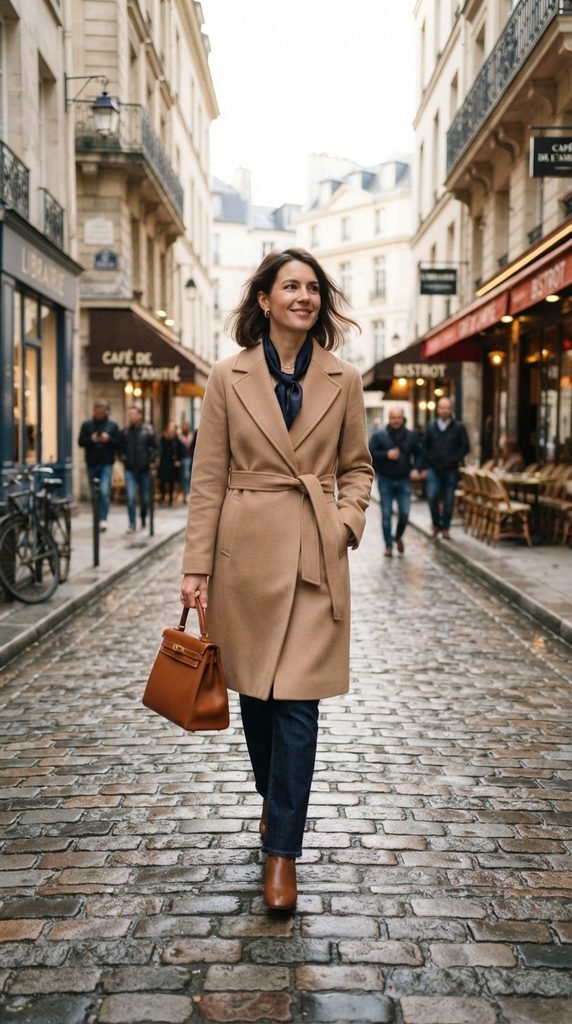
In this aesthetic, jewelry and handbags are accents, not statements. The goal is to choose items that look like heirlooms. Avoid trendy, costume-heavy jewelry.
- Gold and Pearls: Small gold hoop earrings or simple studs offer a subtle shine. A single strand of pearls or a delicate gold chain is sufficient.
- Leather Goods: Your bag and belt should match in tone. Invest in structured bags without large logos. A matte finish is preferred over high-gloss hardware.
- Footwear: Focus on classic silhouettes. Leather loafers, pointed-toe ballet flats, and knee-high leather boots are the only items you need for a year-round rotation. guarantee they are polished and free of scuffs.
Step 5: Common Mistakes to Avoid
Many people attempt this style but fall into traps that break the cohesive aesthetic. Avoiding these errors will keep your look polished and high-end.
- Ignoring Fit: You might buy a luxury brand, but if it is too big or too small, it will look unkempt. Fit is the ultimate marker of style.
- Over-Accessorizing: Wearing multiple pieces of bold jewelry at once creates noise. Pick one focus point, such as a watch or a necklace, and leave the rest minimal.
- Chasing Fast Trends: Do not add trendy colors or silhouettes to your collection just because they are popular for the season. If a piece does not coordinate with at least three other items you own, leave it in the store.
- Neglecting Maintenance: Old money style requires care. Use a fabric shaver for pills on your sweaters, store your leather bags in dust covers, and keep your shoes stored with cedar shoe trees to maintain their shape.
Step 6: Budget-Friendly Procurement
You do not need a massive bank account to build this wardrobe. The key is to buy fewer items, but select the best quality you can afford.
- Prioritize Natural Fibers: Search labels for 100% cotton, silk, wool, or cashmere. Leave behind polyester, acrylic, and rayon, as these do not drape or last as well.
- Thrift and Second-Hand: High-end, classic brands are often available on resale platforms. Look for vintage blazers or wool coats from reputable, established fashion houses. These items are often built better than modern counterparts.
- The Wait List Approach: Instead of impulsive buys, identify one gap in your wardrobe—like a navy blazer—and wait until you find the exact right version that fits perfectly. Save your budget for that specific item rather than buying three “okay” substitutes.
Conclusion
Building an old money capsule wardrobe is a journey toward simplifying your daily life while maximizing your visual impact. By focusing on natural textiles, impeccable tailoring, and a restrained color palette, you create a signature look that transcends temporary fads. Remember that the goal is not to have more, but to have better.
Start by auditing your current closet, removing items that do not fit your refined criteria, and slowly filling the gaps with high-quality staples. As you refine your selection, you will find that getting ready becomes a seamless experience.
Save this guide to your “Style Tips” or “Capsule Wardrobe” board on Pinterest to keep your roadmap to effortless elegance within reach.