How to Build a Street Style Capsule Wardrobe for Effortlessly Cool Everyday Outfits
 By VelvetNesty
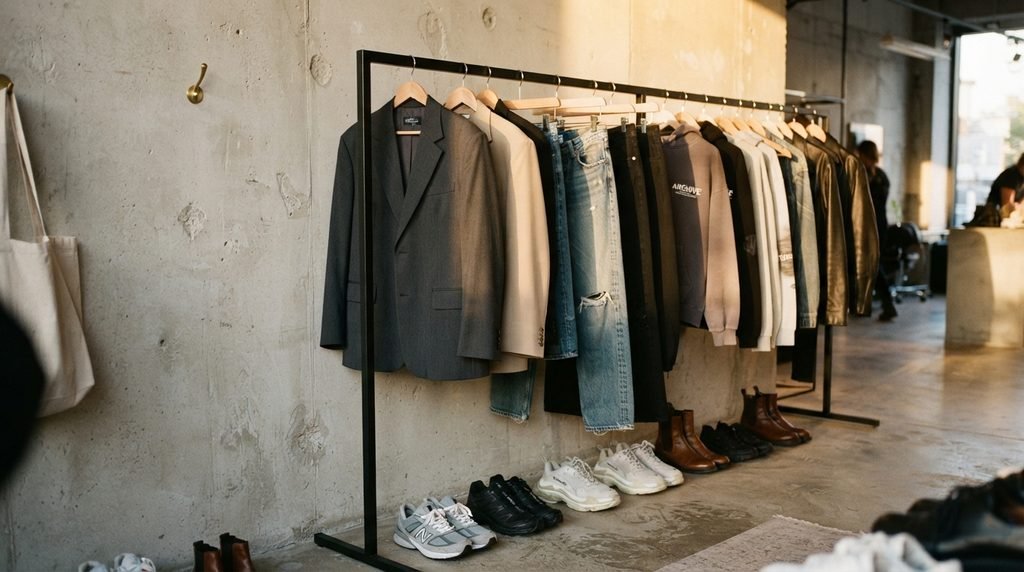
The secret to a street style wardrobe isn’t about buying every trend that hits the runway; it is about building a foundation of garments that function like a modular kit. You want a rotation of items that feel both intentional and relaxed, allowing you to get dressed in under sixty seconds without sacrificing your aesthetic. The goal is to move away from impulsive consumption and toward a curated selection where every piece serves a specific role in your daily rotation.
Building this wardrobe requires an analytical approach to your existing clothes and a firm set of rules for new additions. Street style leans heavily on silhouette play—mixing oversized items with structured ones—and high-low combinations. When you focus on quality fabrics and a defined color palette, the act of getting dressed becomes a streamlined process of grabbing whatever is clean and comfortable, knowing that the combination will hold together visually.
Step 1: Define Your Base Palette and Silhouette
Before you buy a single item, you must establish the visual language of your wardrobe. Street style relies on a cohesive color story to make mismatched pieces feel like a set. Select one primary neutral (charcoal, black, or navy) and two accent colors (often olive, cream, or a muted primary shade).
Once the colors are set, decide on your “uniform silhouette.” Most street style experts lean toward the “Big-Small” rule: pair an oversized top with a slim bottom, or a cropped top with baggy trousers.
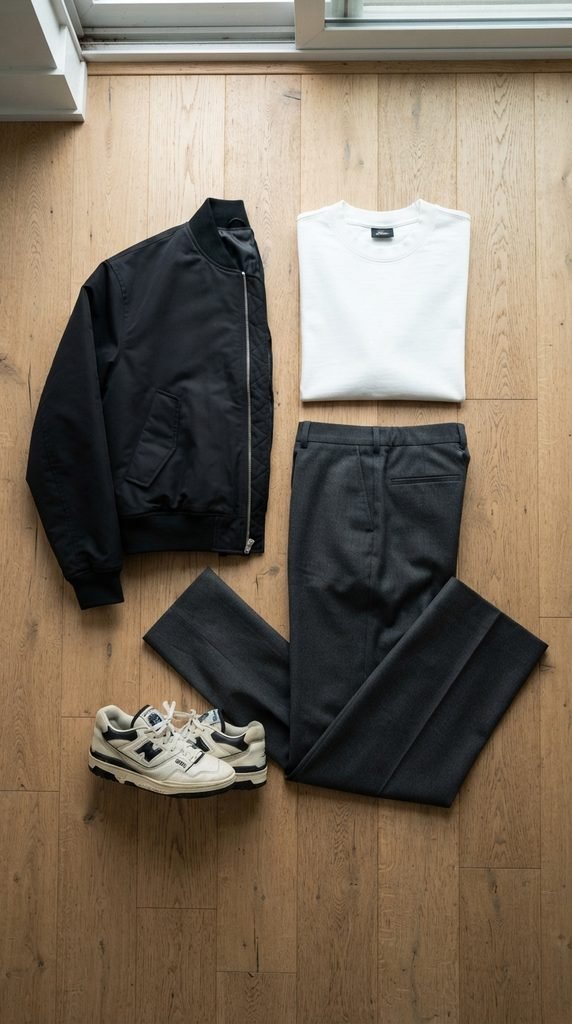
- The Oversized Layer: A boxy bomber, a vintage-wash denim jacket, or an oversized blazer. These provide the volume synonymous with city style.
- The Foundation Layer: Plain heavyweight cotton tees. Look for high GSM (grams per square meter) fabric, as this guarantees the shirt drapes well and holds its shape after laundering.
- The Bottoms: One pair of rigid-denim jeans in a light wash, one pair of relaxed-fit cargo pants, and one pair of technical trousers.
Step 2: Source High-Impact Fundamentals
You do not need a large number of items to achieve a high-end streetwear aesthetic. Focus on sourcing pieces that prioritize fabric weight and cut over brand logos.
Materials to hunt for:
* Heavyweight Cotton: Aim for tees and hoodies that feel substantial. If you can see through the fabric in direct light, skip it.
* Raw Denim: Look for denim that lacks artificial distressing. You want to break it in yourself over time.
* Technical Fabrics: Nylon and ripstop materials add texture and functional flair to an outfit.
Shopping Checklist:
* The “Workwear” Essential: A pair of double-knee pants or chore coats. These are built to last and have deep roots in functional street fashion.
* The Footwear: Choose one pair of chunky “dad” sneakers for comfort and one pair of flat, low-profile leather trainers (like a classic gum-sole court shoe) for dressier days.
* The Knit: A high-collar mock neck sweater in a neutral tone. This adds texture when worn under jackets.
Step 3: Master the Art of Layering
Layering is the engine that makes a capsule wardrobe feel expansive. When you have a limited number of items, the way you stack them creates the illusion of a larger closet.
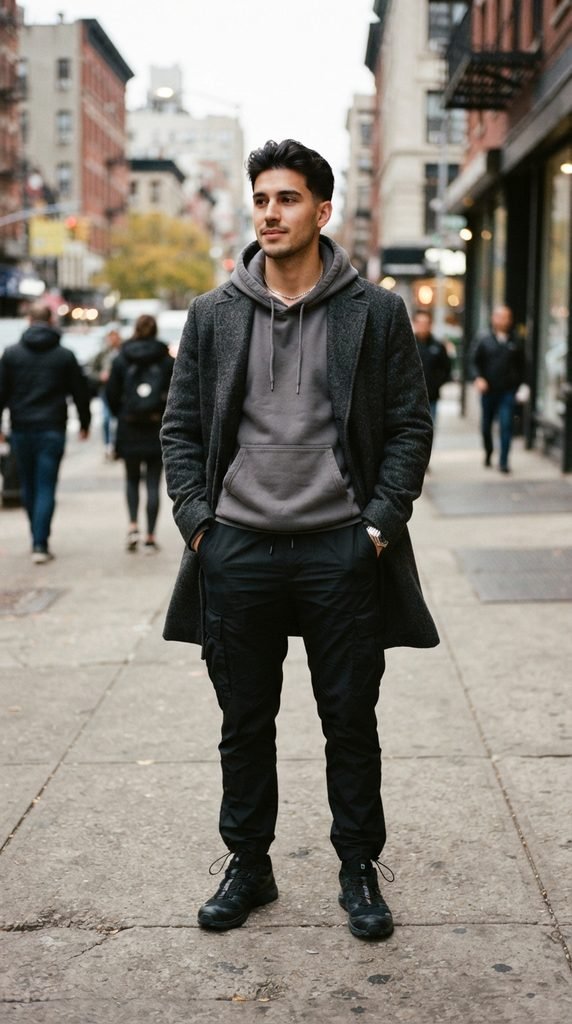
- The Tucked Layer: Always tuck your base layer (tee or tank) into your trousers. This defines your waistline and prevents the “oversized” look from becoming sloppy.
- The Proportion Play: If your trousers are baggy, keep the jacket shorter. If your trousers are straight-leg or slim, an oversized parka or trench coat balances the frame.
- The “Third Piece” Rule: An outfit of pants and a shirt is just a base. The “third piece”—a vest, a flannel worn open, or a light overshirt—adds the depth required for a professional-grade street aesthetic.
Step 4: Budgeting and Sourcing Strategies
Building a collection doesn’t require a designer budget. The most authentic street style often comes from finding diamonds in the rough.
- The Thrift Strategy: Focus your search on the men’s section of vintage stores. Men’s blazers and trousers often have a more structured, boxy cut that fits the current trend better than contemporary women’s tailored wear.
- Fabric Care: To keep your wardrobe looking premium, wash your heavy cottons in cold water and hang them to dry. Heat damages fibers and fades colors, which ruins the “clean” look of a capsule collection.
- Cost Per Wear: Calculate the cost of an item divided by the number of times you will wear it in a year. A $100 jacket worn 100 times is cheaper than a $20 shirt that falls apart after three washes.
Common Mistakes to Avoid
- Over-relying on Trends: Avoid buying items that have a very specific, recognizable pattern or logo. These items are hard to repeat without the outfit feeling repetitive. Stick to silhouettes rather than graphics.
- Ignoring Tailoring: If a pair of pants fits perfectly at the waist but is too long or wide at the hem, take them to a tailor. A $15 hem makes a $30 thrifted item look like a $300 designer piece.
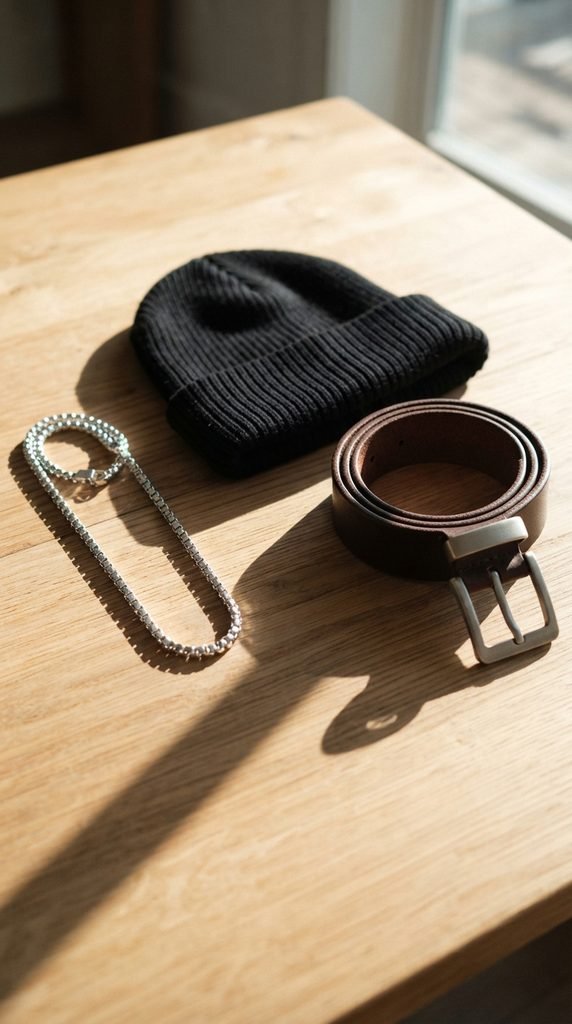
- Neglecting Accessories: A street style outfit without accessories feels unfinished. A simple silver chain, a neutral-toned beanie, or a structured canvas tote bag pulls the look together.
Troubleshooting Your Daily Outfits
If you feel like your outfit is missing something, start removing items rather than adding them. Often, a look feels “off” because of too many competing elements. If you are wearing a hat, a bag, a necklace, and a layered jacket, try removing the necklace or the bag.
If the silhouette feels wrong, swap your shoes. A bulky sneaker can make a slim pant look too skinny, while a slim shoe can make a wide pant look like you are drowning in fabric. Keep a list of “failsafe” combinations in your phone—those days where you feel most confident—and return to those formulas when you have a morning time crunch.
Conclusion
Building a street style capsule wardrobe is about restraint. By limiting your color palette to neutrals and focusing on high-quality fabrics, you create a system that works on autopilot. Focus on fit, prioritize durability, and remember that the best street style is an expression of your personal comfort levels combined with a commitment to clean, intentional design.
Save this guide to your “Style Tips” or “Capsule Wardrobe” board on Pinterest to keep these principles handy for your next shopping trip or closet clean-out.