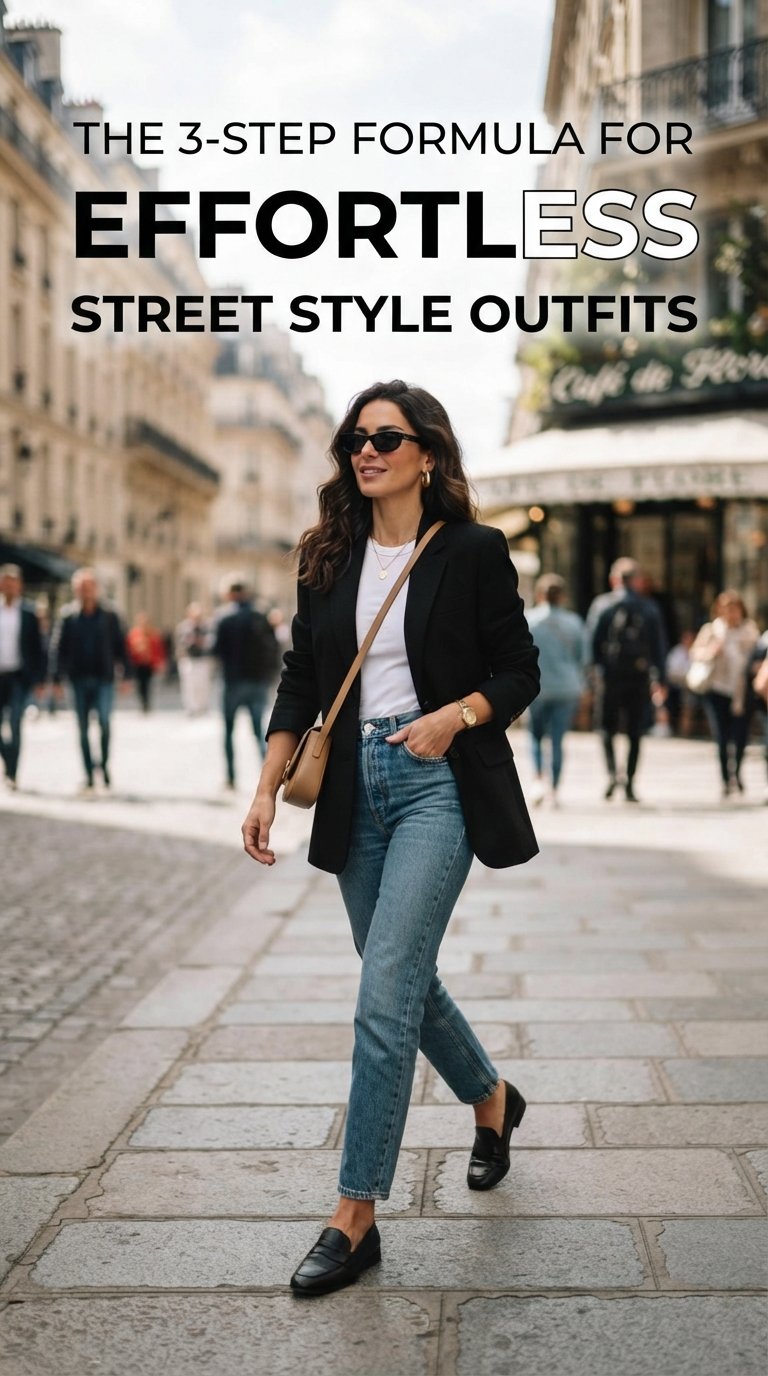
How to Create Casual Street Style Outfits That Look Effortlessly Put Together
 By VelvetNesty
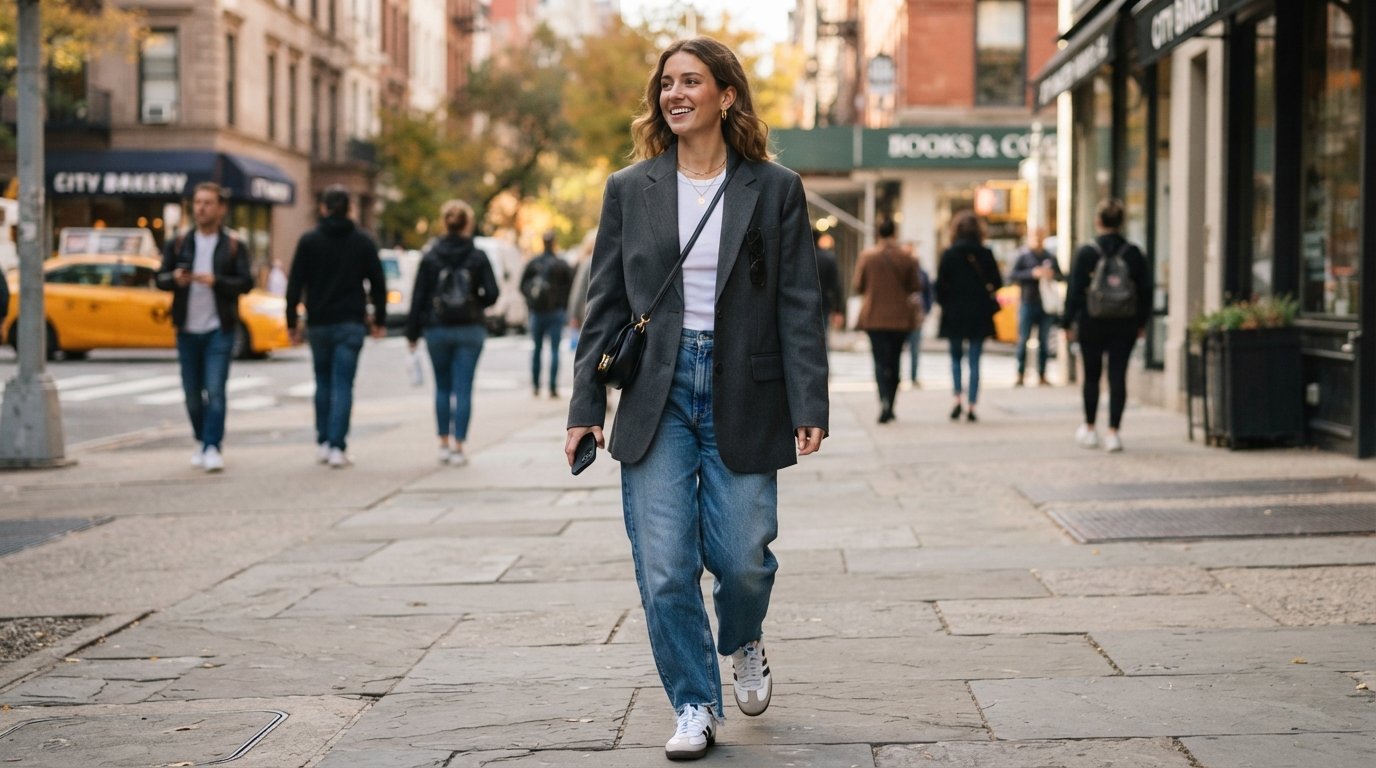
Finding the balance between “I just rolled out of bed” and “I am a fashion icon” is the primary challenge when curating a daily wardrobe. Most people fall into the trap of wearing clothes that feel comfortable but appear sloppy, or clothes that look great but feel like a costume. The secret to street style is not about buying expensive designer goods; it is about the geometry of your silhouette and the intentionality behind your accessory choices.
Learning how to create casual street style outfits is about mastering the art of the intentional mismatch. When you combine structured items with relaxed fits, you create a sense of harmony that feels professional yet approachable. This guide breaks down the architecture of a great outfit so you can stop staring at your closet and start wearing your clothes with total confidence.
Step 1: Master the Silhouette Balance
The foundation of any great outfit is the ratio of tight to loose. If your top is form-fitting, go for wide-leg bottoms. If your bottoms are tailored or slim-fit, introduce an oversized jacket or a boxy shirt. This contrast prevents your frame from looking swallowed by fabric or overly constrained.
- The 2/3 Rule: If you are wearing a very loose pant, like a wide-leg cargo or parachute pant, pair it with a crop top or a tucked-in tank. This exposes your waistline and provides a visual anchor point.
- The Layering Technique: Always leave at least one layer open. If you are wearing a hoodie, throw a structured denim or leather jacket over it. The mix of a soft, casual fabric against a rigid outer material creates the high-fashion appearance you see on social media.
- Proportion Check: Before you walk out the door, look in the mirror. If you feel like you are disappearing into your clothes, add a belt to define your waist.
Step 2: Texture and Material Layering
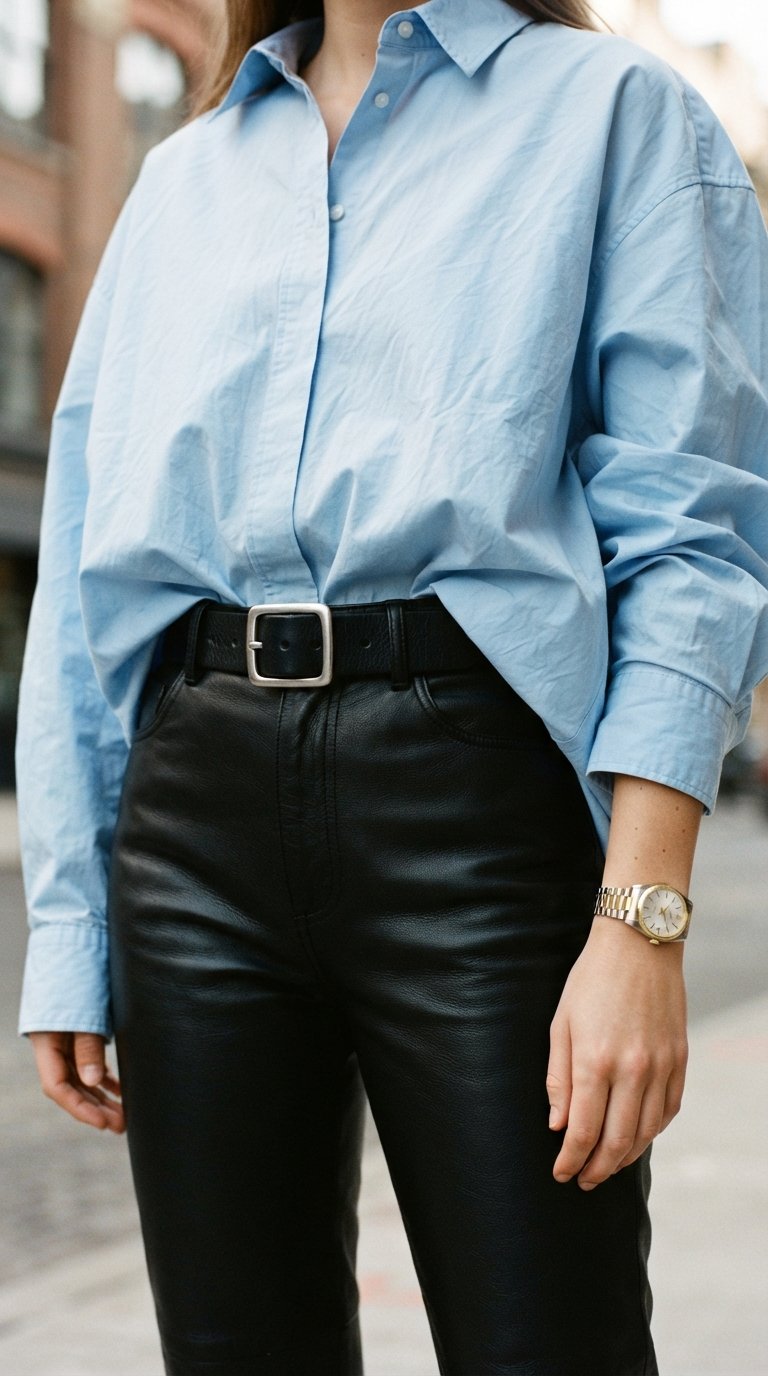
Casual outfits often fail because they lack texture. A cotton t-shirt paired with cotton sweatpants creates a flat, monochrome look that feels like sleepwear. To make your street style appear curated, you must mix high-maintenance fabrics with low-maintenance staples.
- Mix the heavy with the light: Pair a heavy-knit wool sweater with silk or satin midi-skirts.
- Leather and Denim: Leather (or high-quality faux leather) adds an instant sense of luxury. Pair a leather jacket with raw-hem denim. The rough edge of the jeans softens the sharpness of the leather.
- The “Third Piece” Rule: A casual outfit consists of a top and a bottom. The “third piece” is what creates the outfit. This could be a blazer, an oversized cardigan, a baseball cap, or a structured crossbody bag. Without that third piece, you are just wearing clothes; with it, you are styling an outfit.
Step 3: Footwear as the Anchor
Your shoes determine the entire vibe of your look. You can take a formal pant suit and make it casual with a pair of chunky vintage-inspired sneakers. Conversely, you can take a basic pair of sweatpants and make them “street style” by adding a pointed-toe boot or a mule.
- The Chunky Sneaker: These work best with tapered jeans or mid-length skirts.
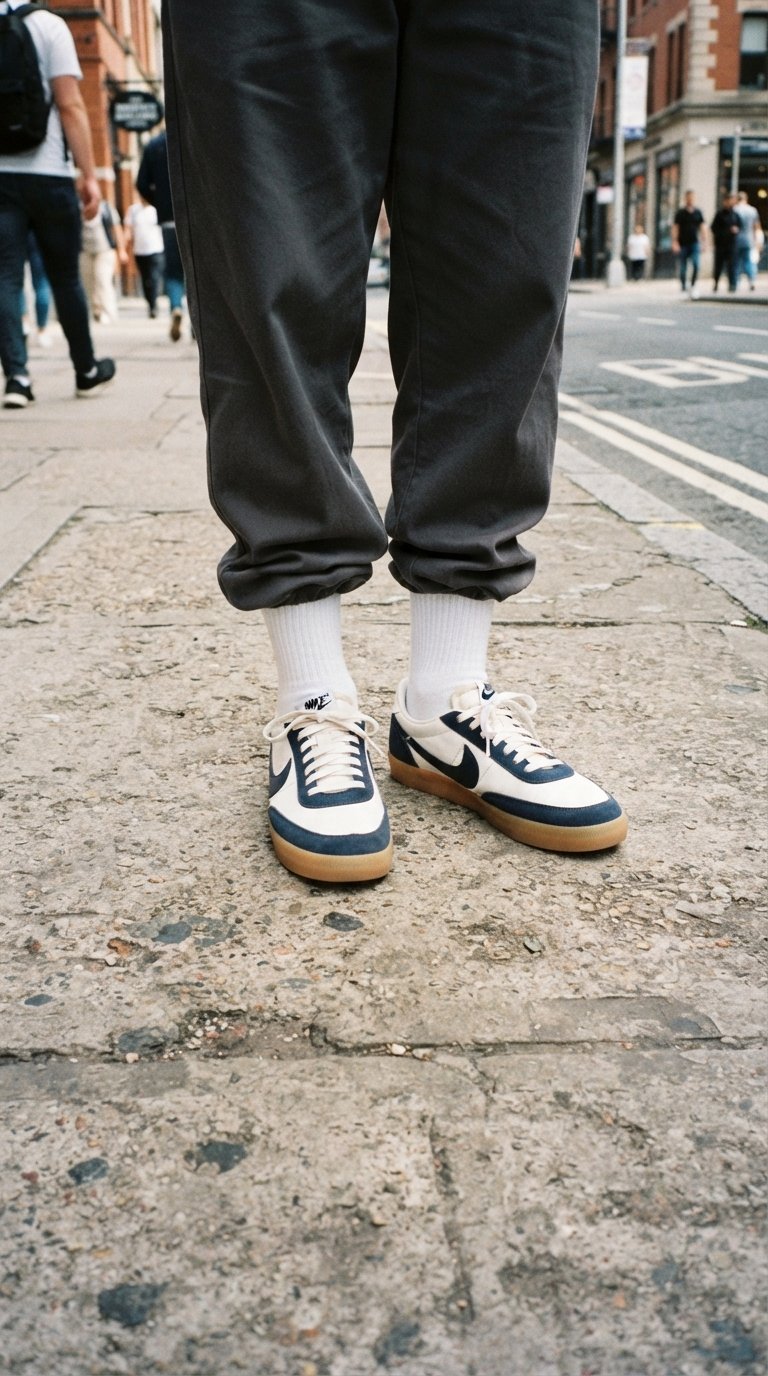
- The Slim Sneaker: If you are wearing baggy, puddle-length jeans, a slim-profile shoe like an Onitsuka Tiger or a flat ballet shoe provides a clean look that prevents the hem from dragging.
- The Sock Detail: Never overlook the socks. A white crew sock peaking out between a cropped pant and a sneaker is a hallmark of current street style. guarantee the socks are bright white and free of pills.
Step 4: Accessorizing for Intentionality
Accessories take an outfit from “comfortable” to “intentional.” The key here is to keep it consistent. If your clothes are minimalist, your jewelry should follow suit. If your clothes are bold and oversized, your accessories can be larger and more sculptural.
- Sunglasses: An oversized pair of dark glasses is the fastest way to look like you are heading to a show. They hide fatigue and pull a simple outfit together.
- The Bag: Opt for structured bags rather than slouchy, soft ones. A structured handbag, even if it is a simple canvas or leather tote, signals that you chose your accessories with purpose.
- Jewelry: Layering thin gold or silver chains provides a polished finish. Avoid wearing too many statement pieces at once; choose one focal point, like a thick chain necklace, and keep the rest of your rings and earrings minimal.
Common Mistakes to Avoid
Even with the right pieces, minor errors can derail your look. Avoiding these pitfalls will keep your style sharp.
- Ignoring Tailoring: If your jeans are too long and dragging under your sneakers, they will look messy. A simple hem job at a local tailor costs very little and makes cheap pants look high-end.
- Over-Matching: Do not wear a matching lounge set and expect it to look like street style. Break up sets. Wear the lounge top with jeans, or the lounge pants with a structured blazer.
- Ignoring Fabric Care: A crisp, clean item always beats an expensive but wrinkled one. Keep a portable steamer handy. Wrinkles in natural fabrics like linen or cotton signal neglect rather than ease.
- Buying Trends Over Fits: A trend might look good on a model, but if the cut does not flatter your specific body shape, it will never look right. Prioritize fit over the latest viral item.
Budget Tips for Street Style
You do not need a luxury budget to achieve this aesthetic. In fact, most street style icons source their best pieces from thrift stores and budget-friendly retailers.
- Thrift the Blazers: Second-hand shops are gold mines for oversized, vintage blazers that have better tailoring than modern mass-produced versions.
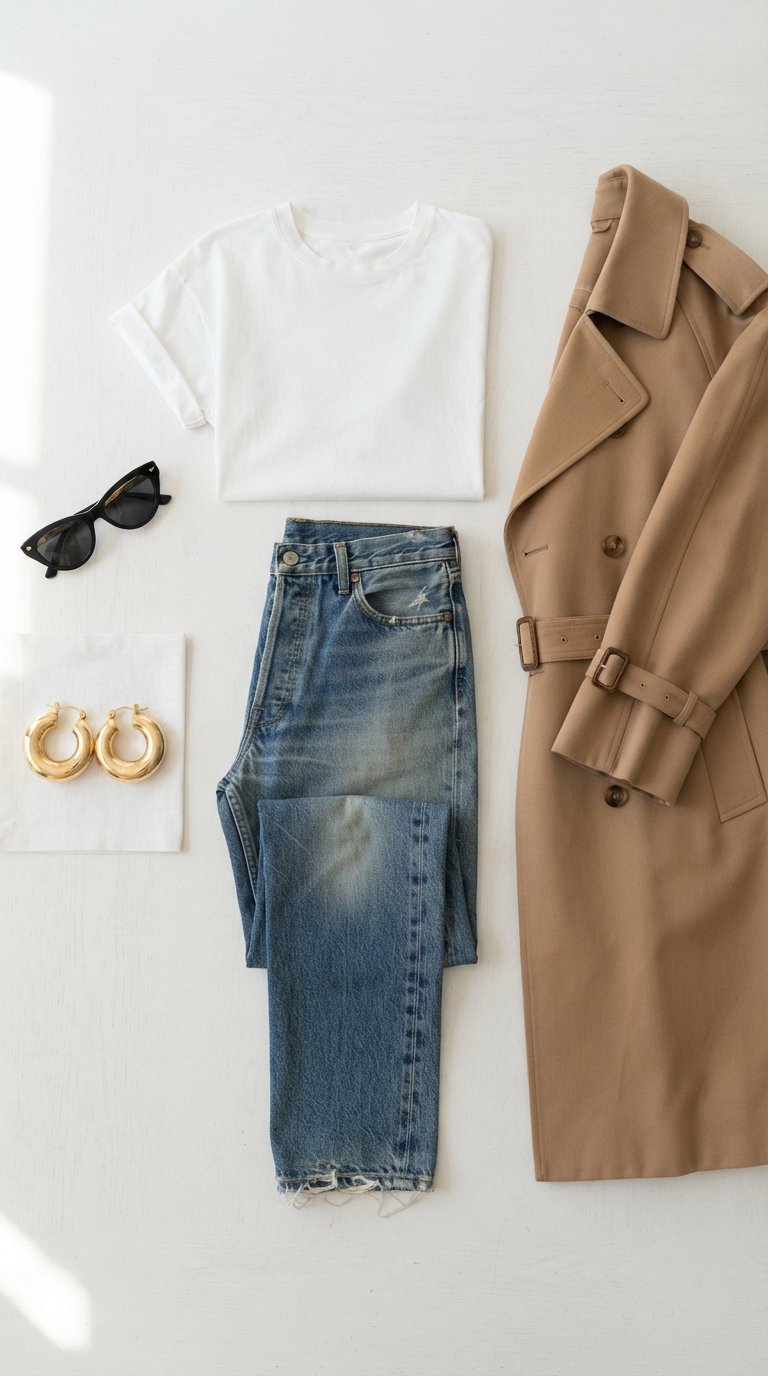
- Invest in Quality Basics: Spend your money on the items you wear 80% of the time, like white tees and jeans. Save your money on trendy seasonal items that you will only wear for a few months.
- The Wash Matters: Darker denim usually looks more expensive than light, acid-wash denim. When in doubt, reach for a deep indigo or a clean black wash.
Conclusion
Creating outfits that feel both casual and put-together is a matter of practice rather than natural talent. By balancing your silhouettes, choosing textures that contrast, and grounding your look with the right footwear, you can build a wardrobe that works for your life. Remember that the final polish comes from how you carry yourself—wear your clothes, do not let them wear you.
Did you find this guide helpful? Pin the image below to your “Street Style Inspiration” board so you can reference these styling rules before your next closet clean-out.